

REVIEW · COPENHAGEN TOURS
Copenhagen: Danish-Jewish History Tour
Copenhagen’s Jewish history hits hard. This Danish-Jewish history tour connects everyday Danish life to big moments, from the first arrivals in 1622 to the 97% survival rate during WWII. I love how the story is presented with care, including sensitive topics in a balanced way, and I also love the way a strong guide turns facts into something you can actually picture on the street.
Two other things that really impressed me: the private pacing, and the guide flexibility when your group has questions or specific interests. In one review, the guide named Gitta stood out for being passionate and logically organized, with a calm, question-friendly style. One consideration: the Great Synagogue entrance is not included, so you may want to decide ahead of time if that stop is a must for you.
In This Review
- Key Highlights You Will Notice Right Away
- Copenhagen’s Jewish Story, Starting in 1622
- A Private Walking Tour Through Central Copenhagen
- Tracing Synagogues and Prayer Rooms on Foot
- The 97% WWII Survival Story, and What Happened in October 1943
- Beyond War: The H.C. Andersen Connection With the Melchior Family
- Art Patrons, Danish Impressionism, and the Hirschsprung Impact
- The Modern City Angle: Products, Science, and Creative Names You Recognize
- Price and Time: Is $129 Worth 2.5 Hours?
- What I’d Bring, and How to Make the Most of the Walk
- Who This Copenhagen Danish-Jewish History Tour Is For
- Should You Book It?
- FAQ
- FAQ
- How long is the Copenhagen Danish-Jewish History Tour?
- Is this a private tour?
- What’s included in the price?
- Do I get into the Great Synagogue of Copenhagen?
- Are there any language options?
- Can I cancel for a full refund?
- Is hotel pickup available?
- Is the tour suitable for kids and for wheelchair users?
- What should I bring?
Key Highlights You Will Notice Right Away

- A private walking format with a real guide, not a big bus script
- 97% WWII survival explained with a focused look at October 1943
- Iconic sites and synagogue history including the Egyptian Revival style Great Synagogue (entrance not included)
- Real connections to Danish culture through figures like H.C. Andersen and the Melchior family
- Danish contributions you recognize today from Niels Bohr to Victor Borge, plus brands like Tuborg and Bang & Olufsen
- A guide who answers questions well, including practical local food tips (like veggie sausage options)
Copenhagen’s Jewish Story, Starting in 1622

Danish-Jewish history in Copenhagen does not begin with a single headline. It starts with a quieter fact, Jewish arrival in Denmark in the early 1600s, when small communities slowly found space in a changing society. In this tour, that origin matters because it frames everything that follows: the legal realities, neighborhood shifts, and the way community life took root.
You’ll also see how the story is not only about synagogues and war. It’s about people shaping Denmark across generations. You’ll hear how Danish Jews contributed to culture and science, and you’ll connect that to names you might already recognize, like Niels Bohr. You’ll also hear about Victor Borge and Georg Brandes, and about broader Danish life through famous products and makers, including Tuborg Beer and Bang & Olufsen porcelain. It turns the tour from a history lesson into something more personal, like meeting a cast of characters behind the Denmark you already know.
More of Copenhagen, reviewed one tour at a time
- Copenhagen: Canal Cruise with Guide
★ 4.6 · 9,115 reviews - Copenhagen: Hop-On Hop-Off Bus Tour with Boat Tour Option
★ 3.9 · 4,122 reviews - Private Walking Grand Tour of Copenhagen
★ 5.0 · 3,953 reviews - From Copenhagen: Lund and Malmö 2-Country Tour
★ 4.7 · 2,772 reviews
A Private Walking Tour Through Central Copenhagen
This is a private group walking tour, lasting about 2.5 hours. That time window is tight enough to keep energy up, but long enough for your guide to build a coherent story rather than doing a rushed checklist. You’ll cover central Copenhagen on foot, and you’ll keep moving through different layers of Jewish presence, including sites tied to synagogue and prayer spaces.
What makes the private format practical is that you can adjust on the fly. If your interest is architecture, the story can lean that way. If your interest is WWII, your guide can slow down for the specific details. Reviews also highlight that the organization was flexible and responsive, which you feel most when you ask questions and don’t get cut off.
Your guide is live and multilingual, with English, German, Danish, Swedish, and French offered. That matters if you want the explanations to land clearly rather than being simplified into generic commentary. Also, since it is wheelchair accessible, it is built for a wider range of mobility needs than some older walking tours.
Tracing Synagogues and Prayer Rooms on Foot
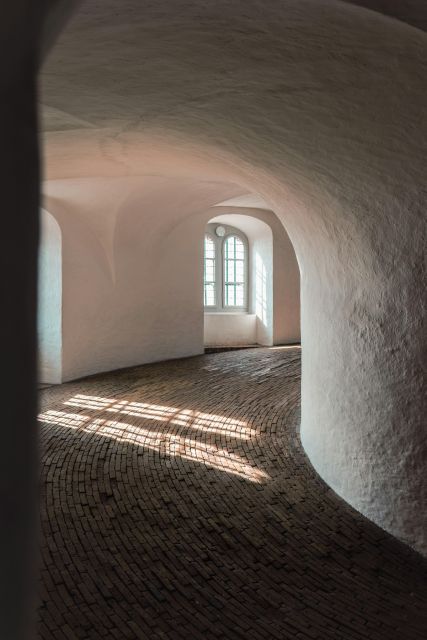
One of the most rewarding parts is watching how Jewish religious life shows up in the city’s physical fabric. You’ll trace the history of synagogues and prayer rooms through central Copenhagen, which helps you understand that community life has never been one single building. Prayer spaces moved, expanded, adapted, and reflected the needs of real people in real decades.
And then there’s the Great Synagogue of Copenhagen, famous for its Egyptian Revival style. Even if you are not a museum person, the exterior and its visual language make a strong impression because it looks unlike the surrounding streetscape. You’ll learn what the building represents culturally and historically, and why it became such a landmark.
One important detail to plan around: entrance to the Great Synagogue is not included. The tour is designed to help you avoid friction when it comes to lines, but you should expect to handle the actual entry decision separately. If you love interior details, plan accordingly. If you prefer to focus on the street-level story, you can still get a lot out of the stop.
The 97% WWII Survival Story, and What Happened in October 1943
This tour carries real weight, and it handles that weight with restraint. The headline fact you’ll hear is stunning: 97% of Danish Jews survived the Nazi occupation of Germany. Your guide uses that statistic as a starting point, not an ending point. You’ll learn how the Jewish community played an inextricable role in Denmark, and then you’ll move into the danger and the response.
The most focused moment comes with October 1943. In just a few short weeks during that time, the vast majority of Danish Jews were smuggled out and taken to safety. You’ll hear how that happened under pressure, and how the timing and speed mattered. It’s a part of the story you can feel in the pacing of the walk, because the guide typically tightens focus when the narrative becomes more intense.
If you’re worried about the tour being overly heavy, don’t. One of the strongest review themes is that it’s balanced when it touches sensitive topics. You’ll get context and careful explanations rather than sensational storytelling. It is history with humanity.
More of the Danish past, walked through
- Afternoon Hamlet Castle Tour to a UNESCO World Heritage Site.★ 4.5 · 7 reviews
- Copenhagen’s Royal History: A Self-Guided Walking Tour★ 4.5 · 7 reviews
- Private E-Biking Copenhagen History and Nature Adventures★ 5.0 · 5 reviews
Beyond War: The H.C. Andersen Connection With the Melchior Family
A tour can easily stay stuck in the 1900s. This one makes a smart move by bringing the story into Danish literature and relationships. You’ll learn about H.C. Andersen’s friendship with the Melchior family, including that Andersen passed away in their care.
This kind of connection changes how you remember the people. Instead of seeing Jews only through the lens of persecution, you see them through friendships, networks, and everyday Danish cultural life. It also gives you an anchor point for understanding how closely communities were intertwined in certain ways, even when laws and pressures were not always friendly.
If you like stories that show culture at the human scale, this is one of the most memorable parts. It’s also a good break from the WWII tension, offering a different kind of emotional tone.
Art Patrons, Danish Impressionism, and the Hirschsprung Impact
Art history fans will be glad the tour doesn’t stop at politics and architecture. You’ll learn about Heinrich and Pauline Hirschsprung, art patrons tied to the development of Danish Impressionism. Their role shows how Jewish families also supported art and shaped what Denmark valued artistically.
This matters for two reasons. First, it helps you avoid the common mistake of treating history as only conflict. Second, it explains how patrons, collections, and cultural support can change a whole creative movement.
Even if Impressionism is not your favorite style, you’ll come away with a clearer picture of how community influence travels beyond one generation. It’s another reminder that Denmark’s Jewish story is not isolated. It is part of the country’s larger creative identity.
The Modern City Angle: Products, Science, and Creative Names You Recognize
One of the smartest things about this tour is that it connects the past to the Denmark you can still point to today. You’ll hear about contributions from scientists and artists, plus cultural figures whose names are widely known. Niels Bohr is the most obvious example, but you’ll also hear about Victor Borge and Georg Brandes, which helps widen the lens beyond one field.
You’ll also hear about well-known Danish brands and makers tied to Jewish involvement or influence, including Tuborg Beer and Bang & Olufsen porcelain. The point is not to turn Copenhagen into a shopping list. It’s to show that Jewish presence has been part of mainstream Denmark, sometimes quietly, sometimes visibly, over long stretches of time.
As you walk, these name drops feel more grounded than in a lecture hall. They become signposts for what your guide is really trying to teach: that history is not a separate world you visit. It is in the city around you.
Price and Time: Is $129 Worth 2.5 Hours?
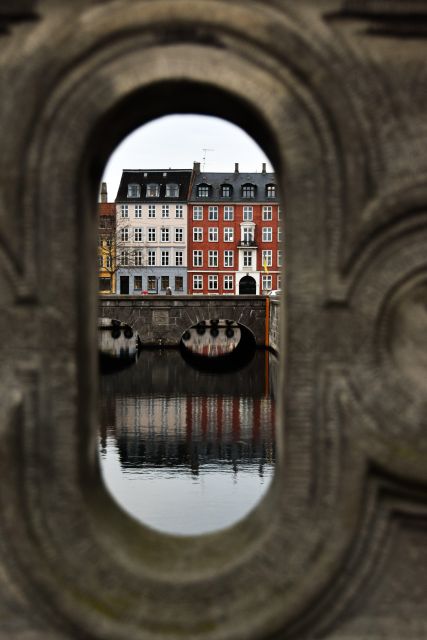
The price is $129 per person for a 2.5-hour private walking tour. That might sound like a splurge if you compare it to standard group tours, but private history tours are expensive for a reason: you get a dedicated guide and a story that adjusts to your questions.
Here’s where the value comes from:
- Private pacing means you can ask follow-ups instead of waiting for the group
- Multilingual live guide helps the explanations land clearly
- Hotel pickup offered can save you time if your base is convenient
- You get a guided walk that connects multiple time periods into one flowing narrative
The main cost risk is the synagogue entrance situation. Because entrance to the Great Synagogue is not included, you may decide to add tickets on your own. If that stop is a priority, factor that into your planning. If not, the tour still provides enough context to make the exterior visit meaningful.
For best value, I’d book it when you want focused context and you prefer walking through the city with interpretation, not just reading signs.
What I’d Bring, and How to Make the Most of the Walk
Wear comfortable shoes. You’ll be on foot for the better part of two and a half hours, and Copenhagen weather can shift quickly. Bring water and dress for the conditions, since the tour runs outdoors through central streets.
If you’re traveling with a specific goal, like seeking relatives or historical records, note that your guide can take that into account. In other words, you can turn a general tour into something more personal.
Also, note the tour is not suitable for children under 6. If you’re traveling with young kids, you’ll likely want another option.
Who This Copenhagen Danish-Jewish History Tour Is For
This tour is a great fit if you want meaning, not just dates. It works well for:
- People who like stories that connect history to real places you can see
- Travelers who want a careful approach to sensitive WWII topics
- Anyone curious about Denmark beyond the standard museum route
- Visitors who appreciate a guide who answers questions clearly (Gitta is frequently praised in reviews for this kind of approach)
It also suits first-time Copenhagen visitors who want context fast. In a few hours, you get the “why” behind Jewish life in the city, and the “what” behind the most important WWII rescue story.
If you only want architecture or only want WWII, you might feel the tour is mixing too much. But if you like a balanced narrative, this is the kind of tour that stays with you.
Should You Book It?
Book this Copenhagen: Danish-Jewish History Tour if you want a thoughtful, street-level explanation of Jewish life in Denmark, including the 97% WWII survival story and the meaning behind major cultural connections. The private format is a real advantage, and the guide quality shows up in consistent praise for knowledge and logical presentation.
I would especially book it if you care about how history fits into modern Copenhagen and you like asking questions as you go. The one reason to pause is the Great Synagogue entrance not being included, so decide in advance whether you want to pay for that entry separately or focus on the story from the outside.
FAQ
FAQ
How long is the Copenhagen Danish-Jewish History Tour?
It lasts about 2.5 hours. Starting times vary, so check availability for the exact schedule.
Is this a private tour?
Yes, it is a private historical walking tour with a private group format.
What’s included in the price?
The tour includes a private tour guide, hotel pickup offered, and a guided walking experience through central Copenhagen.
Do I get into the Great Synagogue of Copenhagen?
Entrance to the Great Synagogue of Copenhagen is not included. The tour provides historical context for the site, but you would need to plan for entry separately if you want to go inside.
Are there any language options?
Yes. The live tour guide is available in English, German, Danish, Swedish, and French.
Can I cancel for a full refund?
Yes. Free cancellation is available up to 24 hours in advance for a full refund.
Is hotel pickup available?
Hotel pickup is offered as part of the experience.
Is the tour suitable for kids and for wheelchair users?
It is not suitable for children under 6 years. It is wheelchair accessible.
What should I bring?
Bring comfortable shoes and water, plus weather-appropriate clothing for Copenhagen conditions.
More Tours Around Denmark



All Our Denmark Reviews

Copenhagen, Reviewed
Other Danish days out we have written up



Copenhagen Tours, compared.
 ★ 4.6Canal Cruise with GuideFrom $269,115 reviews
 ★ 3.9Hop-On Hop-Off Bus Tour with Boat Tour OptionFrom $354,122 reviews
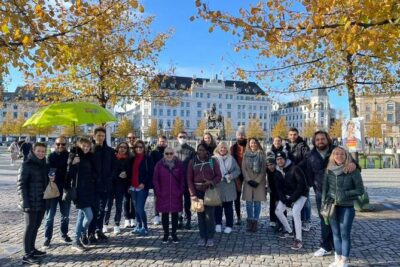 ★ 5.0Private Walking Grand Tour of CopenhagenFrom $3423,953 reviews
 ★ 4.7From Copenhagen: Lund and Malmö 2-Country TourFrom $1412,772 reviews
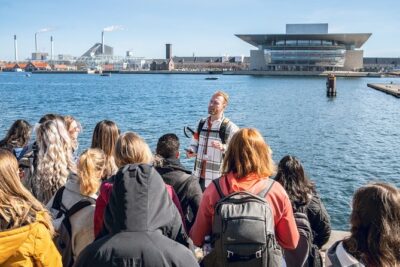 ★ 5.0Copenhagen Highlights Walking TourFrom $402,324 reviews
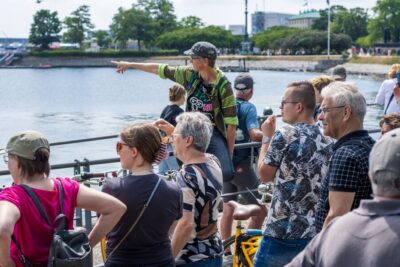 ★ 4.8Highlights 3 Hour Bike Tour with a Local GuideFrom $622,312 reviews
 ★ 5.0Grand Day Trip around CopenhagenFrom $2112,020 reviews
 ★ 4.5Copenhagen Sightseeing Classic Canal Tour With Live GuideFrom $331,906 reviews
Browse the lists this tour appears in