
REVIEW · HYGGE & DANISH HAPPINESS WALKS
Copenhagen Walking Tour: Highlights and Hygge w/Lunch
Follow the hygge trail step by step. I love how this tour blends Copenhagen culture with feel-good moments, and you get an included lunch built into the route. One drawback to plan for, this is real walking, roughly 10 km, so bring comfy shoes and expect the day to stretch toward 6 hours if the weather is moody.
The best part is the local, native English guidance. You’ll hear Danish history, daily-life observations, and the kind of little details that do not show up on big postcard tours, because the guide is actually from Copenhagen and can answer your questions in the moment.
You should also know what you are not doing. Several major sights are viewed from the outside only, and the whole day is outdoors more than you might expect, so pack for rain or wind and keep a light layer handy.
In This Review
- Key highlights worth showing up for
- Hygge on foot: what makes this walk feel different
- Price and value: what you pay and what you actually get
- Logistics that matter: meeting point, timing, and the walking reality
- Stop by stop: Nyboder to the Little Mermaid, with hygge meaning attached
- Nyboder Mindestuér: yellow houses and a time machine feel
- Krusemyntegade and the oldest street texture
- Kastellet and Kastelsmøllen: fortress quiet and slow-foot magic
- The Little Mermaid: iconic, but with a twist
- Gefion Fountain and Norse myth context
- St Albans Church area, Churchillparken: the calm reset
- Royal Denmark without the stress: Frederiks Kirke, Amalienborg, and the guard change
- Frederiks Kirke, Marble Church view
- Amalienborg Palace Museum timing and what you learn
- The changing of her Majesty’s guard: calm in the middle of the day
- Amaliehaven: a secret garden pause
- Lunch on the move: Opera House views, Toldboden, and Nyhavn’s canal energy
- Toldboden and the Opera House perspective
- Nyhavn: color, boats, and a perfect pause
- Danish civic culture stops: religion, politics, and why Jante matters
- Kongens Nytorv: a quick but useful wayfinding moment
- Side streets instead of Strøget pressure
- Nikolaj Kunsthal: religion and Copenhagen thinking from the outside
- Christiansborg Slot: politics, welfare, and the weirdly human Jante law
- Bibliotekshaven and Søren Kierkegaard: philosophy as a peaceful pause
- Rundetårn pass and Kings Garden release valve
- Rosenborg Castle exterior: fairy-tale ending energy
- Who this tour suits best, and who should rethink it
- Should you book Copenhagen’s hygge highlights with lunch?
- FAQ
- How long is the tour?
- What time does the tour start, and where do I meet?
- How big is the group?
- Is lunch included?
- Do you go inside buildings during the tour?
- How much walking is involved?
- What should I bring for weather?
- Can I get a refund if I cancel?
Key highlights worth showing up for
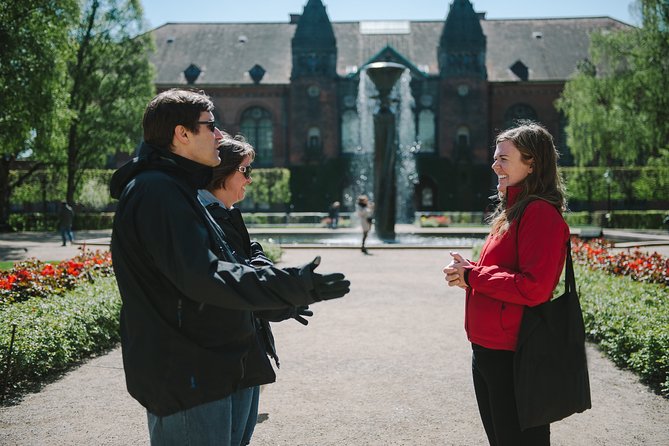
- Small group max 10 keeps the stories personal and the questions easy to ask
- Native English guide means you get local context, not a script
- Hygge-focused route from Nyboder yellow houses to quiet parks and canal life
- Included lunch plus a small sweet treat so you do not have to hunt mid-walk
- Amalienborg changing of the guards adds a calm, ceremonial pause to the walking day
- Outside-only viewpoints at key landmarks, great if you prefer moving and seeing over museum time
Hygge on foot: what makes this walk feel different
Copenhagen can be pretty, but it can also be loud, busy, and a little hard to decode if you only have one day. This tour leans into hygge, the Danish comfort-at-home mindset, and uses it as a walking theme. You are not just collecting photos. You are learning how people slow down, where they find calm, and why certain places feel soothing even in a big city.
I like the rhythm of the route. You start in a residential area tied to Copenhagen’s past, then you glide through historic streets and fort-like spaces, and you keep breaking up the pace with green pockets and waterfront views. It is a smart structure for first-timers, because it gives you both orientation and mood.
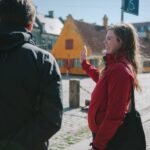
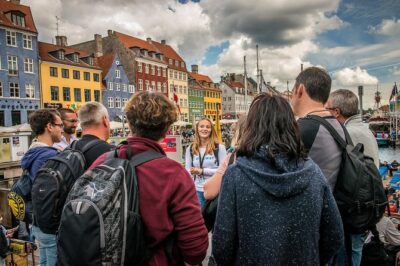
The tour is also designed for questions. With a group limited to 10 people, you get more back-and-forth with the guide. In practice, that means you can ask stuff like what daily life feels like in each neighborhood, or what a place means beyond its Instagram reputation, and you are not stuck waiting for a megaphone-style explanation.
More of Copenhagen, reviewed one tour at a time
- Copenhagen: Canal Cruise with Guide
★ 4.6 · 9,115 reviews - Copenhagen: Hop-On Hop-Off Bus Tour with Boat Tour Option
★ 3.9 · 4,122 reviews - Private Walking Grand Tour of Copenhagen
★ 5.0 · 3,953 reviews - From Copenhagen: Lund and Malmö 2-Country Tour
★ 4.7 · 2,772 reviews
Price and value: what you pay and what you actually get
At about $114.93 per person for 5 to 6 hours, this is not a budget street-stroll. You are paying for two things: a native English guide and an organized route that handles the hard part, which is turning scattered landmarks into one coherent day.
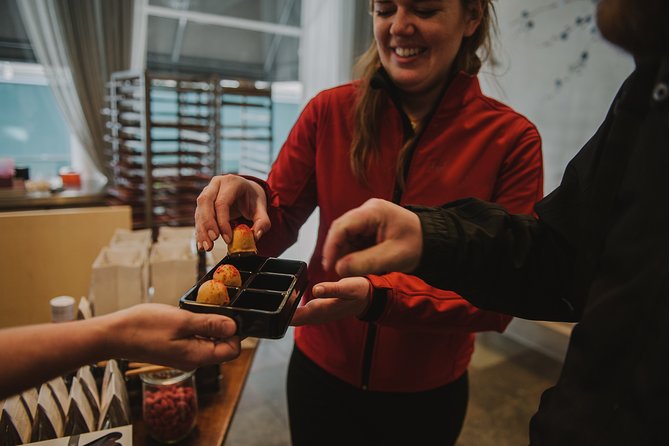
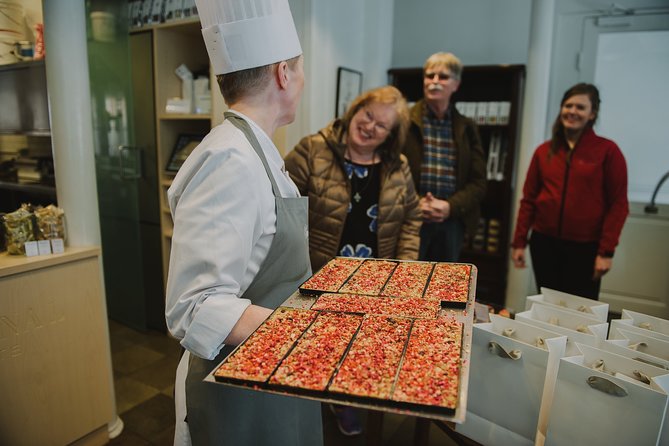
You also get real food value. Lunch is included, and there is a small sweet treat as well. That matters in Copenhagen, because meals and snacks can add up fast, especially if you get hungry at the wrong time and then end up grabbing something expensive and uninspiring.
The other part of the value equation is walking time. You are covering a lot of ground, including the kind of places people often skip because they look like effort, like fortress grounds and quiet parks tucked between bigger attractions. If you only have a day, paying to reduce your planning stress can be worth it.
The trade-off is that you should be ready for a walking-heavy day. If you are expecting lots of indoor stops or museum entries, you might feel less satisfied. The route is built for outdoor sightseeing and stories, not for long sits in ticketed buildings.
Logistics that matter: meeting point, timing, and the walking reality
The tour starts at 10:00 am at Krokodillegade 21, 1326 København K. Your endpoint is the Inner City, and the exact finish spot can vary. That is helpful because it usually means you end near where you want to continue exploring.
From there, the day is built around walking, about 10 km. The operator asks for moderate physical fitness, so do not treat this like a casual neighborhood loop. If you tend to get sore feet, I’d plan a little recovery time afterward and bring blister care if you are prone to them.
Weather is the other big logistics point. You’ll want an umbrella or rain jacket, because this is Copenhagen, and the forecast can change your mood quickly. The good news is the guide will pace the day and use breaks, so you are not just marching in bad weather with no relief.
Finally, you get a mobile ticket, and service animals are allowed. It is a straightforward setup that makes it easier to focus on the day instead of paperwork.
Stop by stop: Nyboder to the Little Mermaid, with hygge meaning attached
Other tours built around the hygge idea
- Copenhagen: Hygge and Happiness Culture Walking Tour★ 4.9 · 539 reviews
- Good Morning, Copenhagen: Feel The Danish Hygge & Happiness★ 5.0 · 503 reviews
- Copenhagen: Highlights & Hygge Guided Walking Tour w/ Lunch★ 4.9 · 75 reviews
- Copenhagen: Hygge & Highlights Walking Tour with Local Guide★ 4.9 · 14 reviews
- Hygge Walk in Copenhagen with a Local★ 5.0 · 4 reviews
Nyboder Mindestuér: yellow houses and a time machine feel
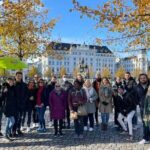
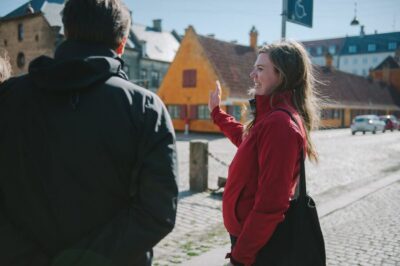
You begin near the characteristic yellow houses of Nyboder Mindestuér. This is a strong start because it puts you in a residential corner of Copenhagen, not a tourist bottleneck. You meet your guide and group here, and the mood is usually calm and friendly because you are starting before the city gets fully loud.
This stop also sets up the hygge theme. The guide talks about how Danes understand culture and everyday life, not only kings and dates. It feels like going back in time, but with practical context for what you are seeing now.
One consideration: this is an orientation start, so if you want immediate major-photo landmarks, you will get them later. Think of it as your grounding chapter.
Krusemyntegade and the oldest street texture
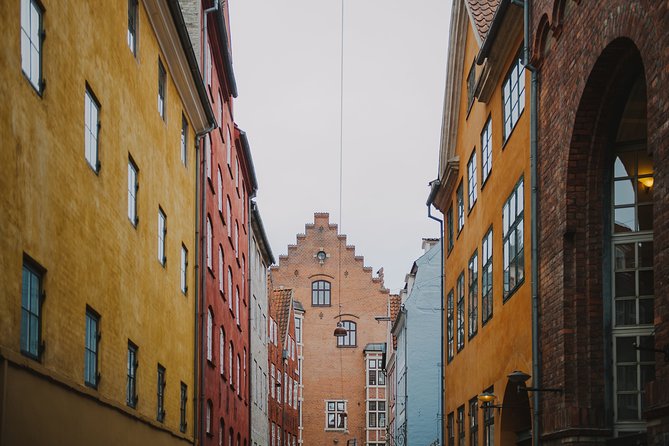
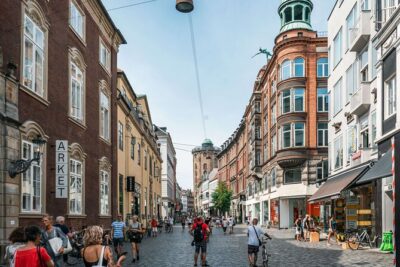
Next comes the older parts of the city, where cobblestones and timber-framed houses shape the atmosphere. Krusemyntegade is highlighted as a street that feels instantly hyggelig. The guide’s role here is key. Without context, you can walk right past details like street layout and calm side pockets. With context, you notice why certain areas feel slower.
This section is also where you start understanding Copenhagen as layered, not just beautiful. You get streets that look old, but you also learn how daily life still uses them.
Kastellet and Kastelsmøllen: fortress quiet and slow-foot magic
You then head to Kastellet, a fortress area where time seems to slow down. Crossing the old moat and moving onto the grounds changes the soundscape. You get that crunch of gravel, rustling leaves, and the feeling that the city noise has to work harder to reach you.
Kastelsmøllen, the old windmill inside Kastellet, adds a dreamy punctuation mark. Even though it is no longer in use, it still feels alive in its setting, with ramparts, soft grass, and city rooftops in the background.
This is one of the best parts of the tour for hygge in a literal sense. It is not forced. It happens because the environment supports it.
The Little Mermaid: iconic, but with a twist
You will see the Little Mermaid. This stop is short but story-driven. The guide frames it as more than a statue, including how you might notice what is not as it seems in the typical visitor version of the tale.
My advice here is simple: come with low expectations for solitude. It is iconic. Your goal is to understand why it matters and how it fits into Copenhagen’s storytelling, not to expect a quiet photo line-free moment.
Gefion Fountain and Norse myth context
At Gefion Springvandet, the stories shift into myth. You hear about Copenhagen’s origins from a Danish perspective, including a darker tone than you might expect. Norse myth shows up again, and the fountain becomes more than a pretty stop.
If you like mythology, this is a strong anchor point. If you do not, it still works because it ties together why Copenhagen’s identity gets framed through Viking-era imagination.
St Albans Church area, Churchillparken: the calm reset
After the fountain, you connect to a quiet church setting in Churchillparken, where St Albans Church sits tucked away among trees and peaceful paths. This is a good mid-route mental reset.
In warm weather, shade makes the area feel softer. In autumn, golden leaves can add that hushed feeling people associate with hygge. Even if it is not autumn, the park nature is what matters here.
This is also a useful stop if you need a break without feeling like you are leaving the route behind.
Royal Denmark without the stress: Frederiks Kirke, Amalienborg, and the guard change
Frederiks Kirke, Marble Church view
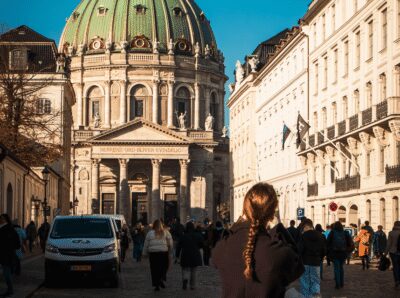
You get a clear look at Frederiks Kirke, known for its copper-green dome, often called Marmorkirken. It is across from the royal area, so it naturally frames the next section.
Because you are not going inside, focus on the outside perspective. The dome against the sky is the point.
Amalienborg Palace Museum timing and what you learn
You reach Amalienborg, today the Royal Palace. The plan is to arrive in time for the changing of the guards. Your guide also shares stories about the Danish royal family and insider context about the guards that most general walks do not cover.
This is one of those moments where the tour shifts from walking-and-looking to watching. You slow down, you watch carefully, and the stories give the scene meaning.
The changing of her Majesty’s guard: calm in the middle of the day
The Changing of her Majesty’s guard at Amalienborg is treated as a stillness moment, not just a spectacle. You watch guards move past in dark uniforms and bearskin hats, and the whole atmosphere becomes quieter, even though you are still in the city.
I like this kind of stop because it gives your legs a breather while giving you a cultural highlight.
One consideration: this is outdoor viewing, so if it is windy or rainy, you might want a rain layer that holds up.
Amaliehaven: a secret garden pause
Just behind Amalienborg is Amaliehaven, which feels like a tucked-away garden. You get symmetrical layout, fountains, and water views toward the opera house area.
This is the kind of place you appreciate after the guard change, because it lets you step out of the crowd energy and recharge.
Lunch on the move: Opera House views, Toldboden, and Nyhavn’s canal energy

Toldboden and the Opera House perspective
As the route moves toward the water, you walk down Toldboden and get views of the Copenhagen Opera House and the peaceful green of Operaparken. This is where the tour earns its hygge name in a practical way. You get a scenic change of pace that feels intentional, not accidental.
Your guide then leads you to a nearby spot for the included lunch, with a small sweet treat as well.
Nyhavn: color, boats, and a perfect pause
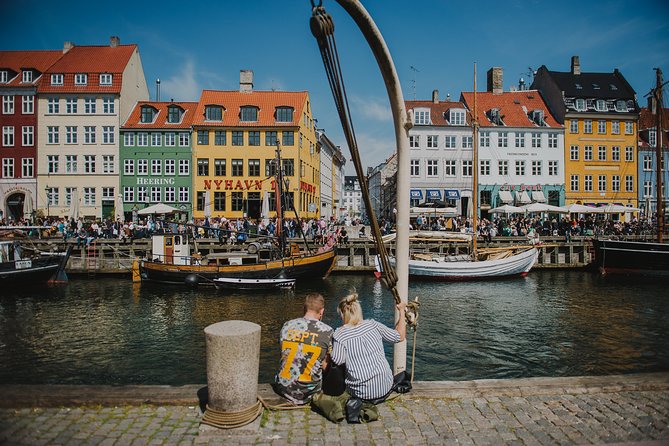
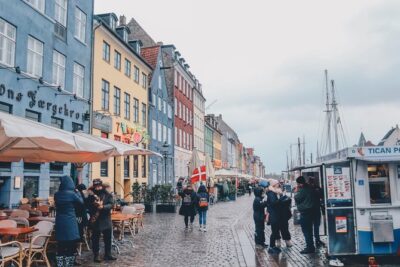
You continue to Nyhavn, the colorful canal area where the atmosphere is lively but still photogenic. This is a natural place to digest lunch and take in the waterfront scene.
Nyhavn works best when you treat it as a contrast. Earlier you were in fortress spaces and quiet parks. Here you get life, color, and movement.
If you get overwhelmed in busy waterfront areas, arrive mentally calm. Your guide is moving the group along, and you can choose to pause for photos without trying to win a crowded viewpoint contest.
Danish civic culture stops: religion, politics, and why Jante matters
Kongens Nytorv: a quick but useful wayfinding moment
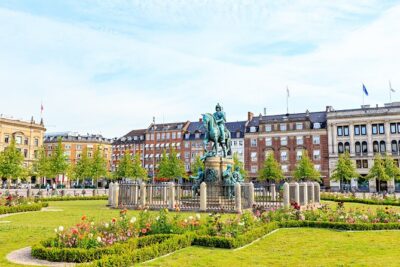
You pass by Kongens Nytorv, a grand central square. It is a brief stop, but it helps you understand the city’s layout and where the big streets feed into each other. It also gives you a quick look at everyday café life wrapped in historic buildings.
Side streets instead of Strøget pressure
Rather than push into the busiest pedestrian shopping street, you take quieter side lanes. That choice matters. It keeps the day more hygge, less hustle, and it lets you see the city as lived-in rather than staged.
Nikolaj Kunsthal: religion and Copenhagen thinking from the outside
At Nikolaj Kunsthal, you focus on a spire that may look church-like, but turns out not to be what you first assume. The guide connects this to how Copenhageners view religion and how that shapes culture even today.
I like this stop because it breaks the usual tourist pattern of only sightseeing buildings. You get a cultural lens.
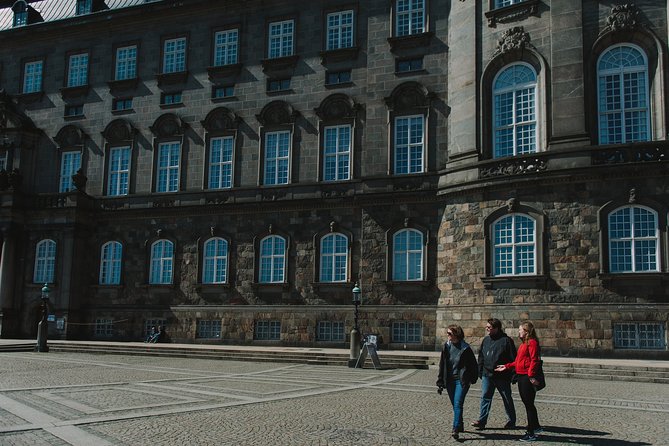
Christiansborg Slot: politics, welfare, and the weirdly human Jante law
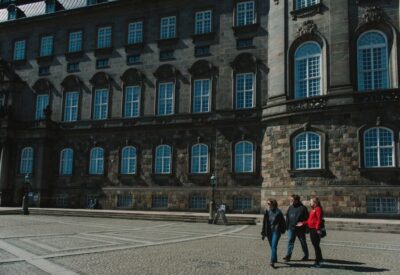
You then reach Christiansborg Slot, which today connects to the Danish parliament. The guide ties the building to Danish politics and the welfare system, and also explains Jante, a cultural concept about modesty and social expectations.
This part might feel like a lecture at first, but it usually lands because it connects to happiness and trust in society. Even if politics is not your favorite topic, the way it is taught tends to make it feel practical, like it affects how people act on the street and in daily life.
Bibliotekshaven and Søren Kierkegaard: philosophy as a peaceful pause
In Bibliotekshaven, you see a statue of Søren Kierkegaard. This is another calm pocket near busy streets, and the contrast helps you reset your brain after the politics stop.
The tour uses it to remind you that Danish culture includes big ideas, not only monuments.
Rundetårn pass and Kings Garden release valve
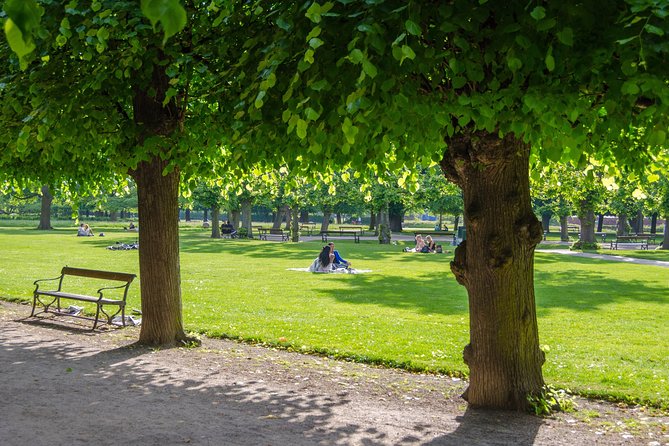
You pass Rundetårn and hear stories about King Christian IV and his architectural impact. Then you move to Kongens Have, a royal garden that became one of the first public parks in the world.
The guide includes dramatic character-story hints about former kings and personal drama, which is half humor, half culture lesson. Either way, you come out of it understanding why public green space in Copenhagen is not just decoration.
Rosenborg Castle exterior: fairy-tale ending energy
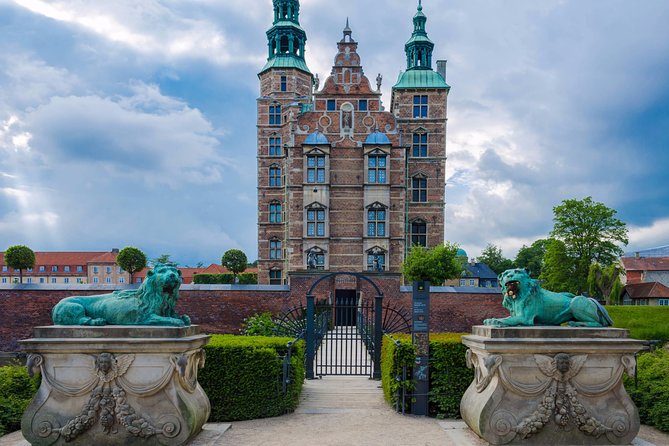
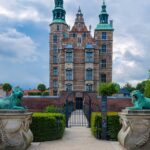
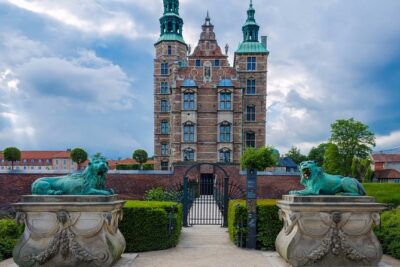
You end with Rosenborg Castle in the garden area. It is viewed from outside only, but the red brick and towers create that fairy-tale feeling Copenhagen does so well.
This is a good final visual because it closes the loop. You started with historic residential charm, and you end with royal-era elegance, all while staying in one day’s walking arc.
Who this tour suits best, and who should rethink it
This tour is a great fit if you want a first-day orientation plus a hygge theme. It is also ideal if you like stories that explain why places feel the way they do, from fortress quiet to canal life to Danish cultural concepts like Jante.
I would reconsider if you:
- hate long walks, since it is about 10 km
- want lots of indoor museum time, because several major buildings are seen from the outside only
- are very sensitive to rain, because this is an outdoor-heavy day and you will want a good umbrella or rain jacket
Should you book Copenhagen’s hygge highlights with lunch?
If you have limited time and you want a guided path that actually connects neighborhoods, parks, waterfronts, and cultural ideas, book it. The included lunch and small sweet treat remove one of the biggest travel hassles, and the small group size keeps the experience from feeling rushed.
If you already know you prefer slower, fully independent exploring, you might skip this and build your own route. But if you want the comfort of a plan, plus the charm of Danish storytelling along the way, this is one of the more satisfying ways to get your bearings in Copenhagen.
FAQ
How long is the tour?
It runs about 5 to 6 hours.
What time does the tour start, and where do I meet?
The start time is 10:00 am. You meet at Krokodillegade 21, 1326 København K, Denmark.
How big is the group?
The group maximum is 10 travelers.
Is lunch included?
Yes. Lunch is included, and there is also a small sweet treat included with the snacks.
Do you go inside buildings during the tour?
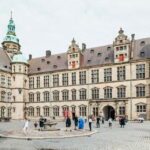
No. The tour states you will experience listed landmarks from the outside and will not access the interiors at several places including Frederiks Kirke, the Opera House, Nikolaj Kunsthal, Rosenborg Castle, Christiansborg Palace, and the Citadel.
How much walking is involved?
Expect about 10 km of walking over the full day. The tour recommends moderate physical fitness and suitable walking footwear.
What should I bring for weather?
Bring an umbrella or rain jacket. The tour is outdoors enough that rain can affect the experience.
Can I get a refund if I cancel?
Yes. There is free cancellation, and you can cancel up to 24 hours in advance for a full refund. If you cancel less than 24 hours before the start time, the amount paid will not be refunded.
All Our Denmark Reviews



The Hygge Tours, Compared



Copenhagen, Reviewed
Other Danish days out we have written up


Hygge & Danish Happiness Walks, compared.
 ★ 4.9Hygge and Happiness Culture Walking TourFrom $80539 reviews
 ★ 5.0Good Morning, Copenhagen: Feel The Danish Hygge & HappinessFrom $82503 reviews
 ★ 4.9Highlights & Hygge Guided Walking Tour w/ LunchFrom $11075 reviews
 ★ 4.9Hygge & Highlights Walking Tour with Local GuideFrom $6114 reviews
 ★ 5.0Hygge Walk in Copenhagen with a LocalFrom $1604 reviews
Browse the lists this tour appears in