
REVIEW · COPENHAGEN HOP-ON HOP-OFF & CITY CARDS
Copenhagen Card – DISCOVER 80+ attractions and public transport
Copenhagen has a lot to see, fast. The Copenhagen Card DISCOVER turns your days into a free-wheeling sampler, with major attractions included and unlimited buses, trains, and Metro across the region.
What I like most is the way it removes ticket stress, so you can decide on the fly, and it stacks big-name stops like Rosenborg Palace and Tivoli Gardens right next to museums and neighborhoods you might skip.
One thing to think about: your plan still has to match opening hours, time slots, and the card is only valid for the exact number of hours you select starting from your first use.
In This Review
- Key highlights to decide fast
- Value check for the Copenhagen Card Discover, is it worth $95.96
- How the digital card works when you are actually in Copenhagen
- Building a route with royal palaces, castles, and classic Copenhagen sights
- Kronborg and Frederiksborg, the card’s best castle day trips
- Art and design in Copenhagen, from SMK to the Black Diamond
- Underground art, science, and human body museums for when you want hands-on
- Water, navy, and the city at street level
- Wartime and resistance museums, strong emotional stops that still fit your itinerary
- Carlsberg, cars, and other Copenhagen oddities you should not ignore
- Day-trip planning with included stops: Louisiana, Roskilde, Lejre, and more
- A practical 24 to 72 hour strategy, how to maximize your hours
- My take, should you book the Copenhagen Card Discover
Key highlights to decide fast

- Free entry to 80+ attractions, so you can build a custom route without paying each time
- Unlimited public transport, which matters when sites are spread across the city (and beyond)
- Royal Copenhagen stops like Rosenborg Castle, Christiansborg, and Amalienborg are included
- Real Copenhagen variety, from canal cruises and design museums to science and wartime history
- Day-trip options are folded in through places like Kronborg, Louisiana, and Roskilde
- Digital-only card means you redeem in the Copenhagen Card app and rely on your phone
Value check for the Copenhagen Card Discover, is it worth $95.96
At $95.96 per person, the Copenhagen Card DISCOVER is only a bargain if you actually use it. The good news is that the card is designed for exactly that: you pick a 24-, 48-, 72-, 96-, or 120-hour option, then you spend those hours hitting multiple included sights.
Here is how I would judge value in plain terms. If you plan to do just a couple of paid attractions, a card can feel like overkill. If you want a museum day plus a castle plus something fun like Tivoli or a canal cruise, it usually starts to feel smarter quickly in a city where normal ticket prices add up.
The card also has an emotional value that is hard to price. You stop doing mental math every time you see an entrance sign. Instead, you choose based on weather, energy, and what you are in the mood for.
More of Copenhagen, reviewed one tour at a time
- Copenhagen: Canal Cruise with Guide
★ 4.6 · 9,115 reviews - Copenhagen: Hop-On Hop-Off Bus Tour with Boat Tour Option
★ 3.9 · 4,122 reviews - Private Walking Grand Tour of Copenhagen
★ 5.0 · 3,953 reviews - From Copenhagen: Lund and Malmö 2-Country Tour
★ 4.7 · 2,772 reviews
How the digital card works when you are actually in Copenhagen
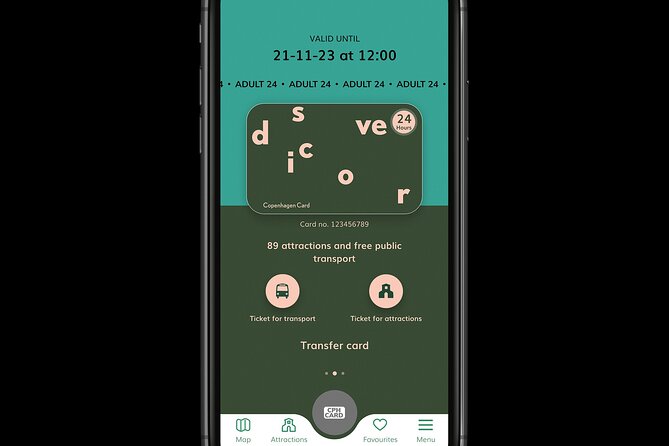
This is a 100% digital pass. You download the Copenhagen Card app, then type in the barcode number from your confirmation, and redeem the card in the app.
A few practical points that really affect your day:
- Your selected card is valid for the stated number of hours from when you first use it, so start planning your first tap wisely.
- The card becomes personal and non-refundable once activated. If your phone breaks or gets lost, you do not automatically get a replacement.
- Some places are straightforward walk-in entry. Others require advance booking for a timed element.
If you are trying to save time, I recommend you get your phone ready before you start hopping around. Have the app open and the code accessible, not buried in menus.
Building a route with royal palaces, castles, and classic Copenhagen sights

Copenhagen is packed with “I have always wanted to see that” stops, and the card covers a strong lineup.
Copenhagen Zoo is a great opener if you like animals and you want a low-pressure start. It is included and designed for about an hour, though you can easily spend longer if you love the exhibits.
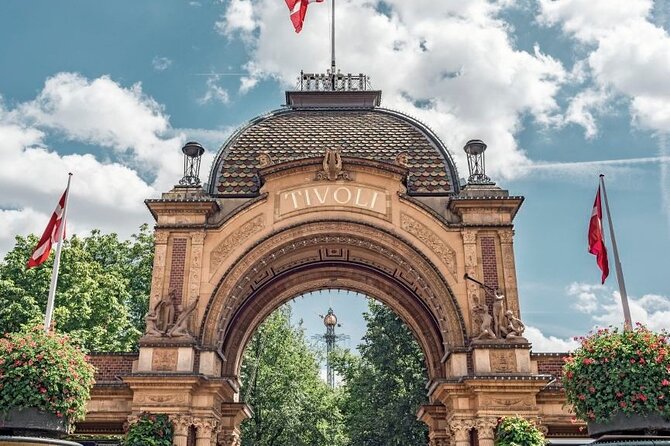
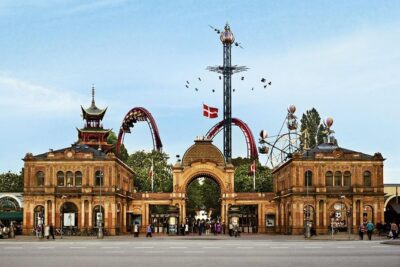
Tivoli Gardens is the obvious second choice. It is a historic amusement park and a real classic in Copenhagen. If you are visiting with kids, this one is often the emotional win of the trip.
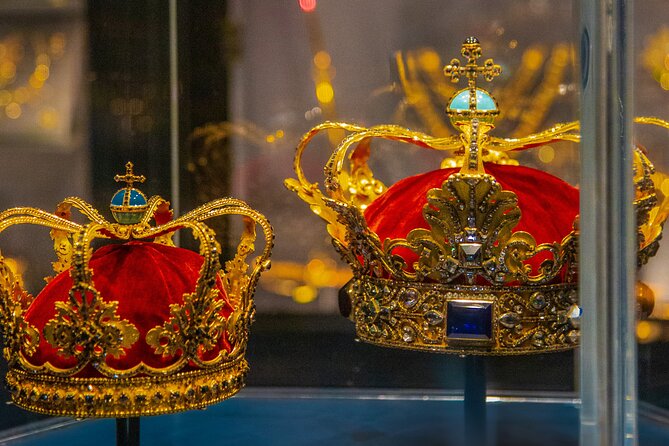
Rosenborg Castle is one of the best uses of time. It is tied to the Crown Jewels and fits well into a short itinerary because you can see a lot without feeling like it takes over your whole day.
Christiansborg Slot is different, more official and political. If you like institutions and how countries work, it is a satisfying stop.
Amalienborg Palace Museum is another royal interior option, with recreated palace interiors. It complements Rosenborg well, because you get multiple “royal Copenhagen” lenses in one trip.
The National Museum of Denmark brings the story back to Denmark itself. It is a solid choice when you want context, not just beautiful rooms.
Our Saviour’s Church is worth planning around, especially if you want the view. The entrance is free. If you want to climb the tower, you need to book your visit in advance. That extra step is the main reason I treat this as a “plan it” stop, not a “walk up and wing it” stop.
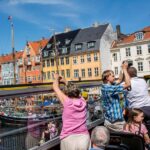
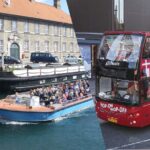
Stromma Canal Tours is the easy win for atmosphere. Copenhagen from the water is a different city. This is included and gives you a break from walking, plus a chance to reset your route.
Kronborg and Frederiksborg, the card’s best castle day trips
The card stretches beyond the city with some serious architectural hits.
Kronborg Slot in Elsinore is a top pick. It is a Renaissance castle built between 1574 and 1585 and it is tightly linked to Shakespeare’s Hamlet. Even if you are not a theatre person, the setting at the entrance to Øresund makes it feel like you are seeing something bigger than a museum.
Frederiksborg Castle is another high-value day trip. It is Renaissance and it sits in Hillerød. The museum inside, called the Museum of National History, helps you move through Danish storylines from the late Middle Ages to later periods. If you want castles plus narrative, this is the combo.
One consideration: these are not quick stops. They reward a calm day with transit time built in, not a rushed “one ticket, back to the hotel fast” schedule.
Other bus passes and city cards we have checked
- Copenhagen Card – DISCOVER 80+ attractions and public transport★ 4.5 · 1,124 reviews
- City Sightseeing Copenhagen Hop-On Hop-Off Bus Tour★ 3.5 · 800 reviews
- Copenhagen: City Sightseeing Hop-On Hop-Off Bus Tour★ 4.3 · 709 reviews
- Copenhagen Hop-on Hop-Off Bus with Boat Option★ 3.5 · 541 reviews
- Copenhagen: City Card with 40+ Attractions & Hop-On/Off Bus★ 4.2 · 403 reviews
Art and design in Copenhagen, from SMK to the Black Diamond
If you love art, the Copenhagen Card Discover can feel like cheating in the best way. You get access to major collections and also to design-focused museums that make the city make more sense.
Ny Carlsberg Glyptotek is a strong museum choice right in central Copenhagen. The collection leans into classical worlds plus archaeological objects and also features Danish and French art from the 19th century. It is a nice balance if you want variety without jumping between five different museums.
National Gallery of Denmark (SMK) is Denmark’s largest art museum and a standout included stop. You get special exhibitions plus collections that stretch from older European art through more modern work. It is especially good if you want a “one place, many eras” museum day.
Designmuseum Danmark is where Copenhagen really shows its identity. It focuses on Danish design history, with names like Arne Jacobsen and Verner Panton popping up through the collection. If you have ever admired Danish minimalism, this is the place to see the thinking behind it.
Danish Architecture Center is a practical add-on for anyone who wants to understand the city’s buildings and design choices. It is based in BLOX on the waterfront and is geared toward both adults and kids, with exhibitions and guided tours.
Thorvaldsen’s Museum is smaller but very focused, built around the sculptor Bertel Thorvaldsen. If you like seeing one major figure in depth, this is a good switch from the big-gallery feel of SMK.
Ordrupgaard is another excellent art stop, but plan it as a north-side day. It focuses on French Impressionism and Danish art, with Monet and Degas named among the key painters, plus Hammershøi and related artists. The park setting is also part of why people enjoy the visit.
The Hirschsprung Collection (Den Hirschsprungske Samling) leans into Danish Golden Age and works by artists like Købke, Krøyer, and Hammershøi. It is in a park area too, so this is a good “museum plus a breather” pairing.
Then there is the modern art side:
- Copenhagen Contemporary is housed in a former B&W welding hall, and it is built for installation-scale work. If you like contemporary art that you can physically walk through, this is a strong match.
- Nikolaj Kunsthal is in a former church space, which helps the art feel like it lives inside the building.
- Kunsthal Charlottenborg is a major exhibition space for contemporary art, and it is paired with extra activities like talks and performances when available.
- Ragnarock focuses on pop, rock, and youth culture, which is a refreshing break from the usual “serious museum” vibe.
If you want something different that still counts as culture, The Royal Library (The Black Diamond) is a top choice. It is known for exhibitions tied to literature, photography, and stories.
Underground art, science, and human body museums for when you want hands-on

Rain days in Copenhagen can still be fun because so much of the card’s value is indoors.
Cisternerne is a highlight for a specific kind of mood. It is a water reservoir underground that hosts contemporary art installations. The atmosphere is dark and cool, so it works well when you want something atmospheric, not just bright and clean.
Experimentarium is the interactive science center option. It is aimed at getting you hands-on quickly. This is ideal for families, and also for adults who like learning through doing.
Planetarium is another indoor win. With the dome and 8K visuals, it is a great add-on when you want a break from city walking but still want a memorable experience.
If you like nature facts and touchable moments:
Museum of Natural History is centered on minerals and nature exhibits, with the chance to touch a huge meteorite.
For the body and medicine angle:
Medicinsk Museion is in the Royal Academy for Surgeons building, and it is focused on how humans have understood disease and treatment over time. It is not trying to be gentle, but it is fascinating if you enjoy science and history meeting.
Water, navy, and the city at street level
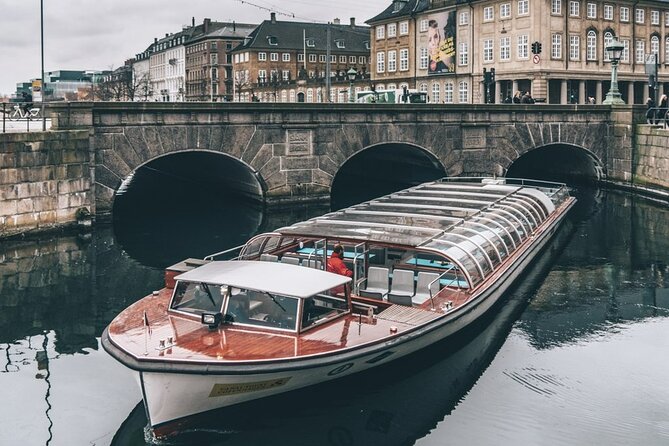
Copenhagen is a port city, and the card does not let you forget it.
The Ships on Holmen includes vessels tied to the Royal Danish Navy, with details about propulsion and service life. If you like maritime history, this is one of the most interesting “outside the typical museum box” stops.
Sælen submarine is another strong maritime pick. It is a small diesel-electric submarine commissioned into Danish service and it is included as an indoor-style visit. It fits well if you want something more unusual than the usual palace-and-paintings loop.
Casino Copenhagen is a wildcard. It is included, and if you enjoy gambling culture as entertainment, you can spend an hour on something different. If not, you can simply skip it and still feel like you got your money’s worth.
Wartime and resistance museums, strong emotional stops that still fit your itinerary
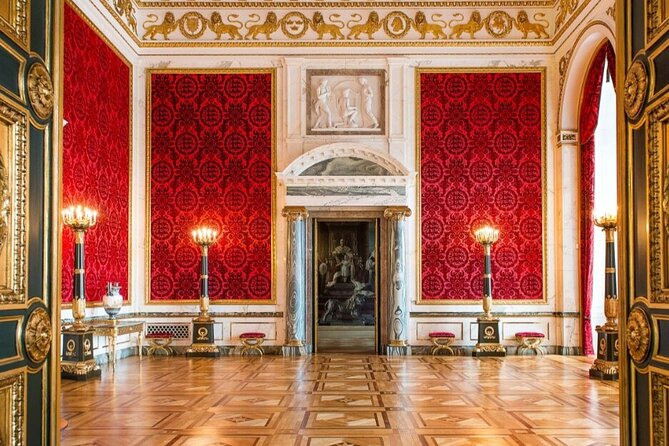
If you want history with a heavier feel, the card includes two excellent World War II focused museums.
Danish War Museum covers Danish military history from the 1500s through today. It includes a mix of artifacts, and it also uses the story to show how conflict shaped Denmark culturally and geographically.
Museum of Danish Resistance goes underground and dramatizes resistance efforts during the occupation. It uses scenes and historical figures, and it is built around sabotage, illegal newspapers, code work, and intercepting communications.
There is a lot to process here. I suggest you pair these with something lighter on the same day or the next day, depending on your stamina.
Carlsberg, cars, and other Copenhagen oddities you should not ignore
Copenhagen has more than castles and bikes. The card includes a few stops that feel very local.
Home of Carlsberg is included but it requires advance pre-booking. Your card must be active before you book, because you use the card number. If you want brewery history in a modern attraction style, this is a good match.
Classic Car House is exactly what it sounds like, classic 20th-century cars as rolling cultural history. It is great if you enjoy design and engineering through a fun lens.
Roskilde Domkirke is for people who like architecture and crypts. It is a cathedral and a UNESCO World Heritage site, with layers of Danish royal burial history.
Day-trip planning with included stops: Louisiana, Roskilde, Lejre, and more
A big reason people love this card is that it does not confine you to a tight city loop.
Louisiana Museum of Modern Art sits about 40 km north of the center in Humlebæk, in a park by the Sound. It blends modern art with nature and architecture. It also has a strong reputation for major artists, including Giacometti and Jorn as permanent highlights, plus rotating shows.
Viking Ship Museum in Roskilde is one of the most powerful included cultural stops. It centers on the Skuldelev Ships, five ship finds about 1,000 years old, and it also includes sailing reconstructions and activities tied to maritime trades. It is one of those places where the story becomes easy to picture.
Lejre Land of Legends is another big identity stop. It is an open-air museum with reconstructions of Viking Age spaces and workshops, including the idea of the largest Viking kings hall ever found. Plan to spend real time if you like history that you can walk through.
Karen Blixen Museum is a quieter coastal stop near Rungsted Kyst Station. If you like authors and atmosphere, you get a chance to see the home where Karen Blixen lived for much of her life, set by a bird sanctuary and the Sound.
Roskilde Domkirke and Viking Ship Museum pair well for a Roskilde day, because both focus on deeper time periods and place-based history.
If you want variety across many themes, this is where the card really flexes.
A practical 24 to 72 hour strategy, how to maximize your hours
Here is how I would use the card without turning your trip into a checklist.
For a 24-hour card, I would pick one “anchor” museum and one “Copenhagen moment.” Examples: Rosenborg Castle plus a canal cruise, or Tivoli Gardens plus SMK. Add one quick indoor break like Ny Carlsberg Glyptotek if the weather turns.
For a 48-hour card, you can add a second major museum and one royal interior stop. This is a sweet spot for art lovers who also want history. You can also fit something like Experimentarium or Cisternerne as your change-of-pace indoor option.
For 72 hours and longer, I start adding the included outside-city destinations. Louisiana and Frederiksborg are perfect for this longer window. You can also build a day around Roskilde and still have time to enjoy Copenhagen afterward.
And one more planning tip that matters in real life: Copenhagen has a rhythm where some museums close on Mondays. If your dates include Monday, I would structure your schedule so your biggest card wins are on open days.
My take, should you book the Copenhagen Card Discover
Book it if you are doing a real sightseeing loop. If you want free entry to major attractions, plus unlimited public transport, and you are willing to plan around opening hours and a couple of timed booking requirements, the card is excellent value. It is also highly rated, with a strong recommendation rate and many people praising how easy it is to redeem and use once they have the app set up.
Skip it if your trip is mostly meals, shopping, and one or two museums. In that case, the card may cost more than buying a couple of tickets.
If you enjoy structure but not rigidity, this card hits that balance. Pick your card length, start using it on your first full sightseeing day, then let the included attractions guide your route.
All Our Denmark Reviews



Buses, Passes And City Cards

Copenhagen, Reviewed
Other Danish days out we have written up



Copenhagen Hop-On Hop-Off & City Cards, compared.
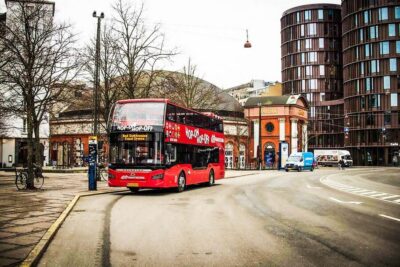 ★ 3.9Hop-On Hop-Off Bus Tour with Boat Tour OptionFrom $354,122 reviews
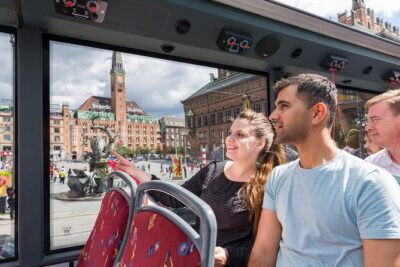 ★ 3.5City Sightseeing Copenhagen Hop-On Hop-Off Bus TourFrom $45800 reviews
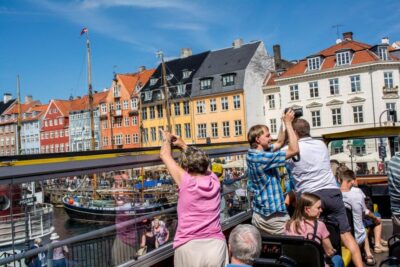 ★ 4.3City Sightseeing Hop-On Hop-Off Bus TourFrom $44709 reviews
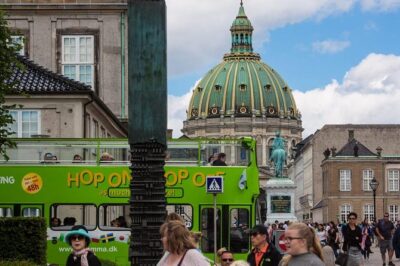 ★ 4.0Copenhagen Bus and Boat ticket, Valid 48 HoursFrom $63565 reviews
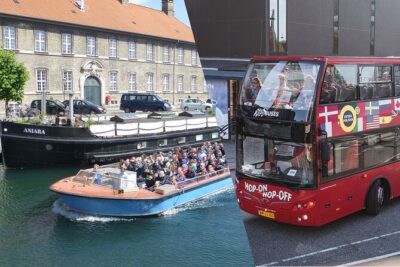 ★ 3.5Copenhagen Hop-on Hop-Off Bus with Boat OptionFrom $36541 reviews
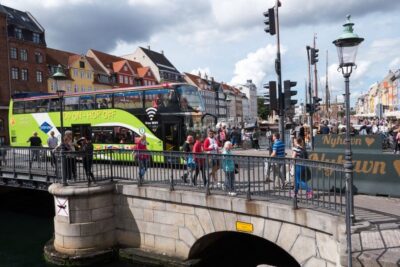 ★ 4.2Hop-On Hop-Off Bus Tour with Audio GuideFrom $36100 reviews
 ★ 3.5Copenhagen Highlights Hop-On Hop-Off Bus – Classic CopenhagenFrom $20849 reviews
Browse the lists this tour appears in