
REVIEW · JUTLAND & FUNEN TOURS
Kolding: Koldinghus Palace Entry Ticket
Koldinghus feels like a time machine. Perched on a mound above Kolding, this 750-year-old royal castle is equal parts fortress history and modern museum experience, and I especially love the award-winning restoration that keeps the place looking sharp while telling the story clearly. I also like that you can make it practical for your day: see the castle indoors and out, then finish with either a Giants’ Tower viewpoint or lunch in Madkælderen. One thing to plan for, though, is that it’s not a guided-tour experience, so you’ll be relying on the exhibits and your own reading.
The biggest trade-off is simple: this is self-guided entry, not a narrated walk. If you want someone to explain every room and subplot, you may feel you need more context, especially since some language options can be spotty based on what’s been reported. Still, for most visitors, the castle’s scale, the restoration choices, and the mix of exhibitions and hands-on activities make it a strong 1-day stop.
In This Review
- Key points to know before you go
- Koldinghus Castle in Kolding, a royal fortress that turns into a museum
- Ticket value for about $21: what’s included, and why it fits a 1-day plan
- Entering the castle experience: start outside, not inside
- The palace rooms and modern museum feel, thanks to restoration work in the late 1970s
- The 1808 fire story, and why Giants’ Tower matters even when it isn’t the whole show
- Christian IV’s chapel: a memorial made of four walls and lighting
- Exhibitions that keep the castle from feeling like a one-note monument
- Finishing touch: Madkælderen lunch or the Giants’ Tower viewpoint
- What to expect as you move through the site (and what can slow you down)
- Practical rules that affect your day: bags, pets, and food
- Who should book Koldinghus entry, and who might want a different format
- Should you book Koldinghus Palace Entry Ticket?
- FAQ
- What is included with the Koldinghus palace ticket?
- Is this experience a guided tour?
- How long is the visit?
- Where can I go after exploring the castle rooms?
- Are food and drinks allowed inside?
- Can I bring large bags or luggage?
- Are pets allowed at Koldinghus?
- What cancellation options are available?
- Can I reserve now and pay later?
Key points to know before you go
- 750 years of fortress history, starting with a 1268 build meant to watch Denmark’s southern border
- Giants’ Tower connections to the castle fire in 1808, and a viewpoint you can use to end your visit
- Christian IV’s chapel story, remembered through remaining walls and lighting rather than a full rebuild
- Award-winning restoration by Inger and Johannes Exner, giving old structures a modern museum feel
- Royal dress-up workshop plus international exhibitions, so it works for adults and kids
Koldinghus Castle in Kolding, a royal fortress that turns into a museum
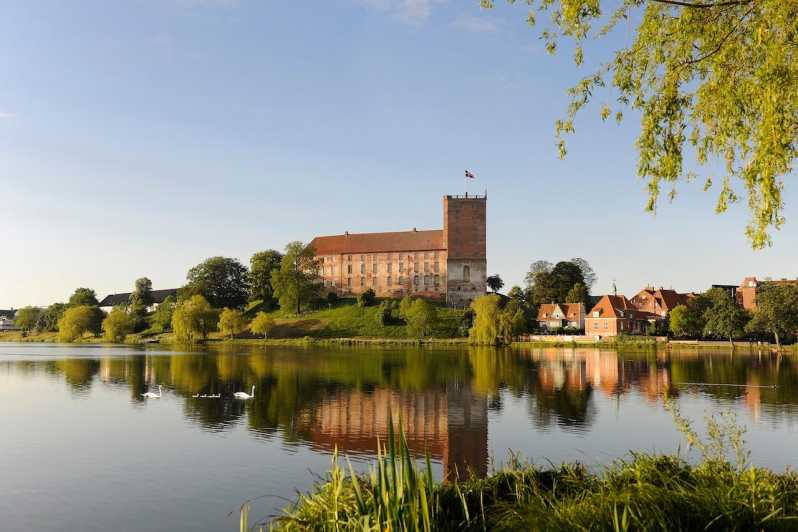
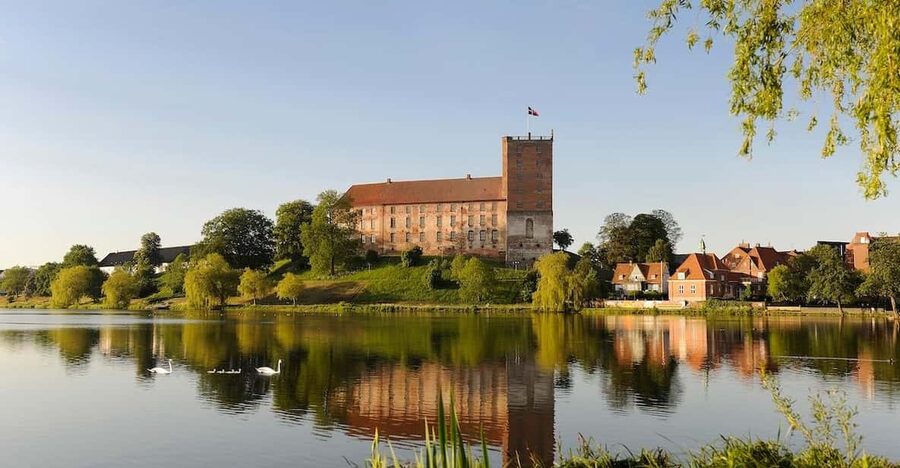
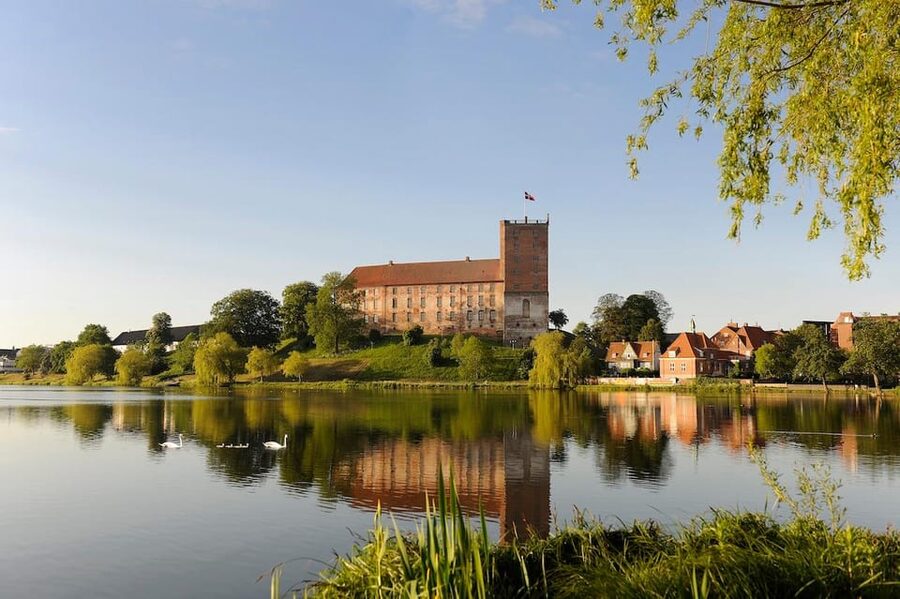
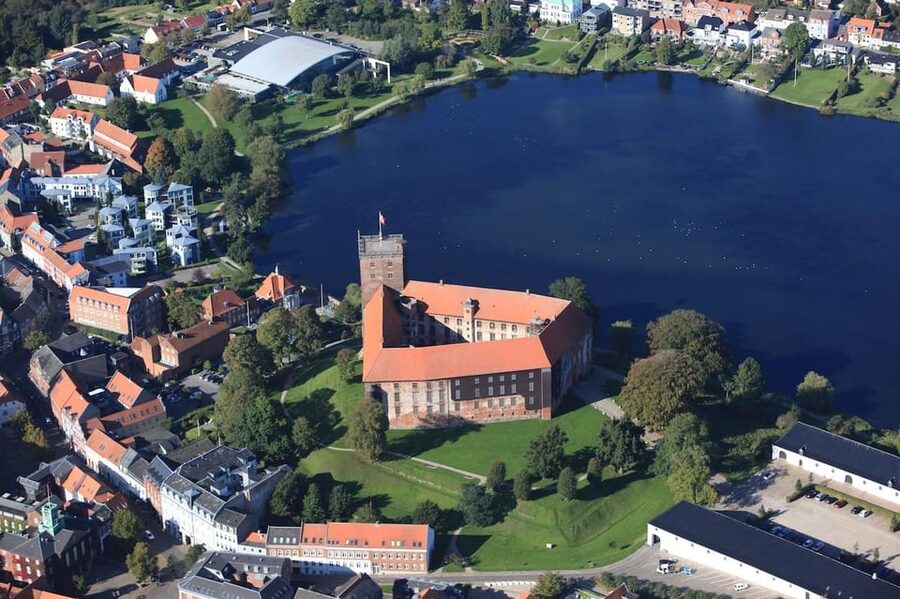
Koldinghus sits high above the town of Kolding, on a castle mound that makes you feel like you’ve climbed into the story. The setting matters. From outside, the castle reads like a watchtower for the southern border, and you can already sense why people built it where they did: visibility, control, and presence.
The castle’s origin goes back to 1268, when it was built to keep watch over the kingdom’s southern edge. For centuries, it served as one of Denmark’s most important royal castles. That long run helps explain the mix of grandeur and survival you’ll see today, because Koldinghus is not a clean restart. It has scars, and the museum treatment respects them.
You’re visiting a place that has shifted roles over time. After the era of royal power came ruin. In 1808, Spanish soldiers were billeted there, and a fire broke out that wrecked the castle. For years afterward, it lingered as a romantic ruin. Modern restoration later turned that damaged shell into the museum you can walk through now.
Ticket value for about $21: what’s included, and why it fits a 1-day plan
At around $21 per person for a 1-day ticket, the value is mostly about access. You get entry to the palace and all exhibitions, so you’re not paying extra just to see the main spaces. Since this is self-guided, your money turns into freedom: you go at your pace, pause where you want, and spend time where it grabs you.
The “1 day” part is also realistic. The castle is large enough to feel like an event, but not so huge that you must sprint. I’d treat it as a full afternoon to early evening visit, with enough room for either lunch in Madkælderen or a slower ending with the Giants’ Tower viewpoint.
This ticket also makes a quiet promise: you won’t be pushed into a group pace. There’s no guided tour included, which can be good if you like reading labels and moving when your feet feel ready. If you’re the type who wants a narrator to connect the dots for you, you’ll want to keep that in mind before you go.
Entering the castle experience: start outside, not inside
I like starting with the grounds and the exterior first. Koldinghus is perched above the town, and that elevation helps you get your bearings fast. Even if you only spend a few minutes walking the outside feel and noticing the scale, it makes the indoor spaces hit harder later.
This matters because the castle isn’t just an indoor museum. It’s a structure designed for watching and guarding, and those outdoor cues still show through. The museum restoration keeps the story readable, but you’ll understand the logic of the building more quickly if you’ve already seen how it sits in the landscape.
Another reason to begin outside: you’ll likely want photo time. The standout views are saved for the end option, but the surrounding setting still frames the visit from the first steps. If your day includes nearby Kolding sights, you’ll also appreciate that the castle mound is an obvious “anchor point” in the city.
The palace rooms and modern museum feel, thanks to restoration work in the late 1970s
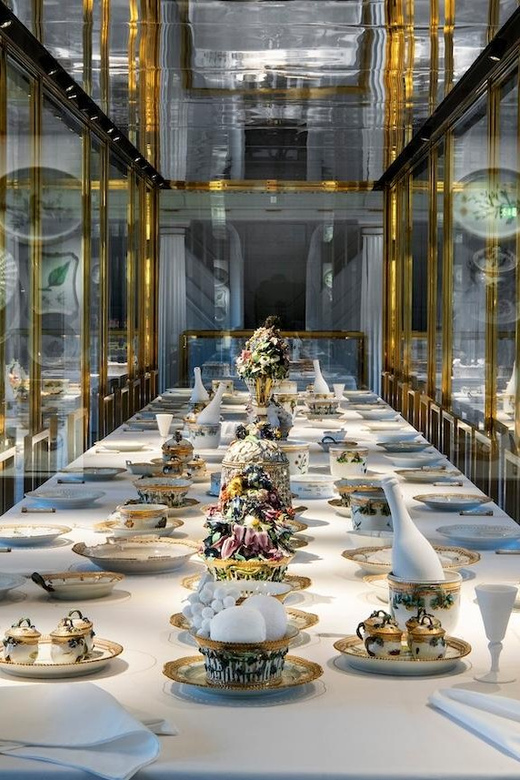
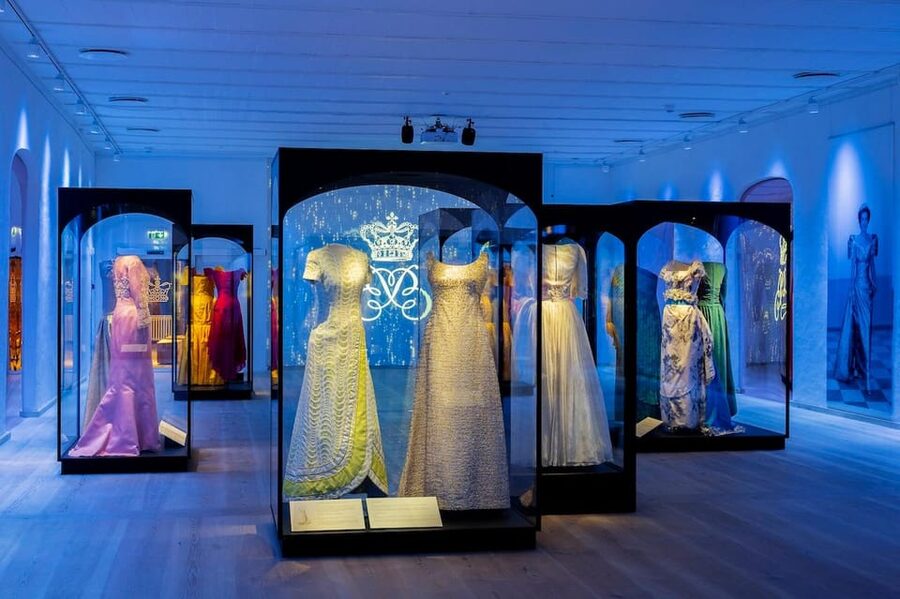
Inside, the experience shifts from fortress to museum. You’ll see outstanding rooms and halls, with an emphasis on presentation that makes the castle usable as a modern cultural site. The restoration effort is a huge part of why this feels worth your time.
The final restoration was led by an architect couple, Inger and Johannes Exner, in the late 1970s. That detail isn’t trivia. It signals that this was not a quick repair. The goal was a world-class visitor experience, not just patched-up walls.
What you’ll notice most is the way old and new interact. The castle has survived fires and collapse. Yet the interior spaces are treated with lighting and museum planning so you can follow the building’s story without feeling lost. That’s why the museum feels award-worthy rather than merely historic.
If you enjoy architecture that’s honest about its past, Koldinghus hits that sweet spot. The restoration doesn’t erase the fact that things broke. It helps you understand what you’re seeing and how the building evolved.
The 1808 fire story, and why Giants’ Tower matters even when it isn’t the whole show
The Giants’ Tower is more than a viewpoint option. It’s connected to one of the defining turning points in the castle’s history.
In 1808, the fire wrecked Koldinghus, and the Giants’ Tower collapsed, crushing the chapel below. That collapse shaped what survived and what visitors can interpret today. The museum experience uses that history to guide your understanding of the spaces.
So when you finish your visit with a trip in the Giants’ Tower, you’re not only chasing a view. You’re ending in the place that represents a past disaster and a later restoration era. Even if you don’t focus on the history at every moment, the tower ties together the “before and after” feeling that runs through the whole site.
Christian IV’s chapel: a memorial made of four walls and lighting
This is one of my favorite parts of the Koldinghus experience, even though it’s also the most quietly emotional. Around 1600, Christian IV created a castle chapel at Koldinghus. Then, in the 1808 fire, the Giants’ Tower collapse crushed it.
When the castle was restored in the late 1970s, the chapel was not rebuilt. Instead, what remains is a room made from the four walls of its former glory. The architects leaned on lighting to hint at the chapel’s original architecture, rather than reconstructing it fully.
That approach is both respectful and smart. A rebuild can turn tragedy into decoration. Here, lighting works like a suggestion, so you sense shape and intention without pretending the past is intact. If you enjoy museum design choices that communicate through restraint, you’ll likely appreciate this section more than you expected.
Exhibitions that keep the castle from feeling like a one-note monument
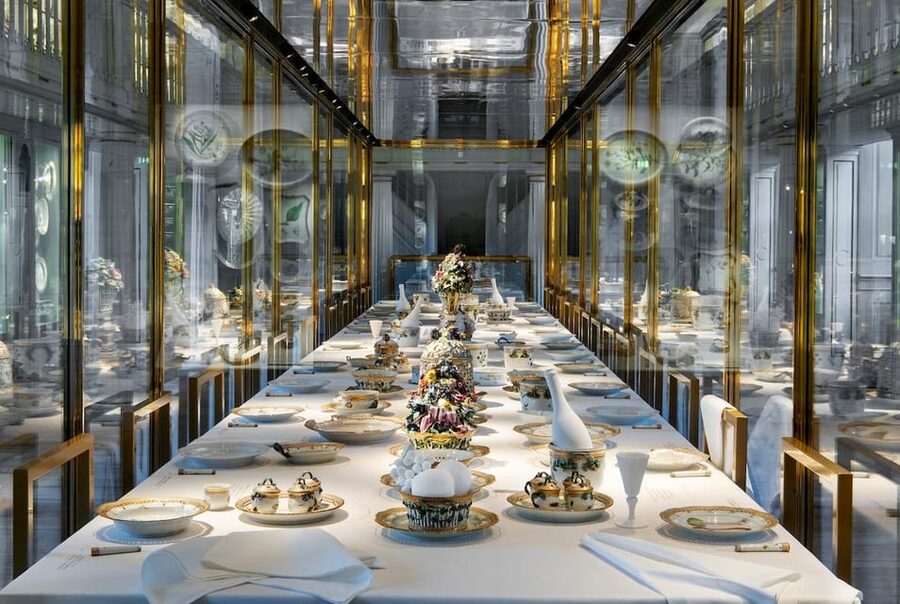
Koldinghus isn’t only about walking through old rooms. It’s also a modern museum site with large international exhibitions. That matters because it gives your visit a second layer beyond the building itself.
If you’re worried that a castle ticket is just “walls and windows,” this is where it changes. Exhibitions help you connect the castle’s physical story to present-day cultural programming. You’ll be able to shift your attention between the architecture and the museum content without repeating the same kind of viewing the whole day.
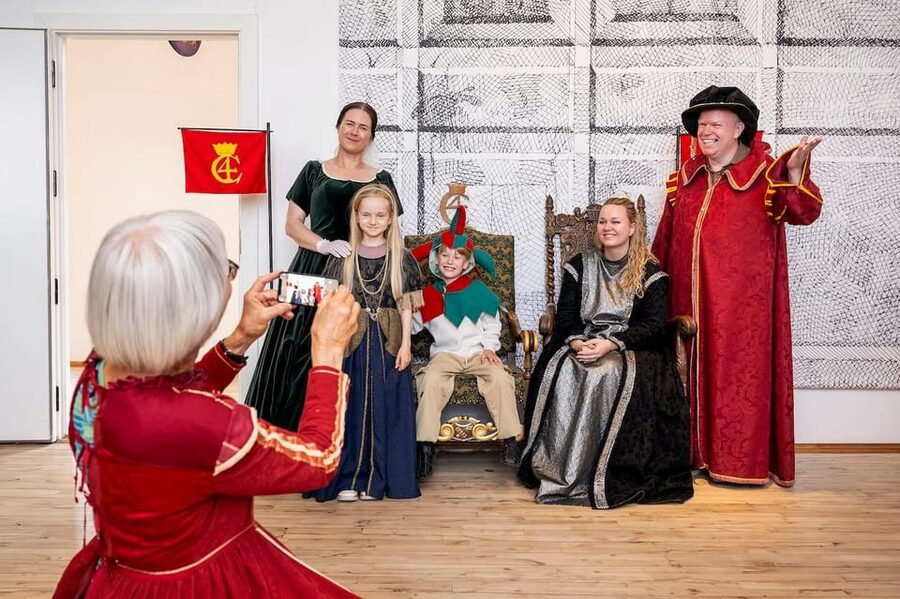
The site also includes a royal dress-up workshop, and that one is a gift to families. It adds an interactive element that doesn’t require special tickets. Even as an adult, it’s the kind of activity that keeps the castle from feeling too formal or too museum-quiet.
If you’re traveling with kids, this workshop can be the difference between a “hard to keep attention” day and a genuinely fun outing. If you’re traveling solo or as a couple, it can still be refreshing to see playful interpretation inside a historic setting.
Finishing touch: Madkælderen lunch or the Giants’ Tower viewpoint
The end of the visit is where you can tailor the day to your energy level. You’ve got two common options, and both are worth planning for.
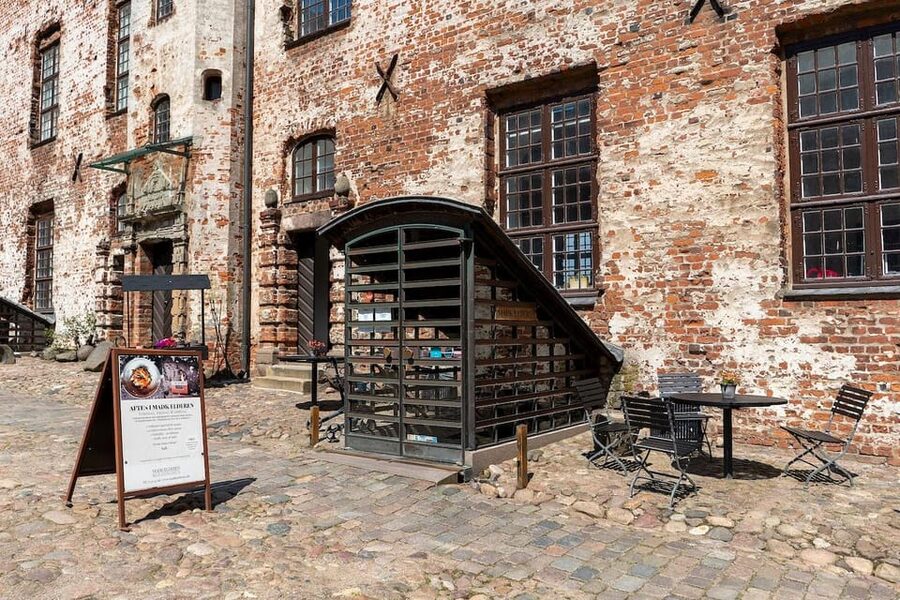
First, there’s lunch in Madkælderen. Choosing this option helps you keep things smooth. You’ll finish your castle time, then sit down and refuel without having to leave the site area and rethink logistics mid-visit.
Second, there’s a trip in the Giants’ Tower for the view over the city, the fjord, and the castle lake. If your brain is already picturing postcards, this is the payoff. The tower viewpoint gives a wide-angle sense of where Koldinghus sits in relation to the surrounding water and town.
My practical advice: pick based on the rest of your day. If you want food as your “anchor,” go Madkælderen. If you’re saving your biggest photo moments for the last stop, make the tower the final act. Either way, ending at the top of the mound style makes the visit feel complete.
What to expect as you move through the site (and what can slow you down)
Because there’s no guided tour included, your pace is yours. That’s great if you like to read. It’s also the reason some visitors spend longer than they planned: you can keep finding small details in the restoration choices, the exhibitions, and the chapel reminder room.
To get the most from that freedom, I’d budget time for:
- One longer block for palace interiors and halls
- A shorter but intentional outside walk early on
- A final “decision moment” between Madkælderen and the Giants’ Tower
Also, plan around the fact that there are exhibitions in addition to historic rooms. That means you’ll want to scan signage quickly when you enter each space, so you don’t miss what’s active that day.
One possible slowdown for some people is the language factor. The experience includes exhibitions and learning spaces, and while the site has language support, there have been reports of missing translations into French. If you need specific languages to feel fully comfortable, consider using a translation app for museum labels and exhibit text.
Practical rules that affect your day: bags, pets, and food
A small set of site rules can make a bigger difference than you might think, especially with a 1-day plan.
Here’s what to watch:
- No oversize luggage and no luggage or large bags
- Food and drinks are not allowed
- Pets are not allowed, though assistance dogs are allowed
Those rules affect how you pack. Bring only what you can carry comfortably, and keep anything bulky out of the equation. Since food and drinks aren’t allowed, plan to rely on the on-site lunch option in Madkælderen if you’re hoping to eat during your visit.
If you’re traveling with a family, pack light snacks are not an option. That’s not a deal breaker, it just means your timing needs to include the scheduled meal stop, not a casual picnic moment.
Finally, note the site language you can use for the visit may matter for comfort, even if you don’t need full translation to enjoy the architecture. If your travel style depends on reading every label, give yourself enough time to do it without rushing.
Who should book Koldinghus entry, and who might want a different format
This ticket is a good match for:
- Castle lovers who also enjoy museum exhibitions
- Families who want something hands-on, thanks to the royal dress-up workshop
- Travelers who like self-paced visiting and don’t need a narrator
It’s less ideal if:
- You want a guided explanation, room by room
- You strongly prefer on-site materials in a specific language and you don’t use translation tools
Still, even without a guide, Koldinghus offers enough structure. The architecture, the restoration story, and the chapel room design choices create a built-in narrative. And when you add the tower viewpoint or the lunch in Madkælderen, the visit feels like a complete outing rather than just entry into a museum building.
Should you book Koldinghus Palace Entry Ticket?
Yes, you should book if you want a high-value 1-day castle museum in Kolding that blends historic rooms, international exhibitions, and a fun royal dress-up workshop. The price feels fair because your ticket covers the palace and all exhibitions, and the place itself is designed so you can spend time where you care most.
I’d especially recommend it if you like restoration and design choices, because Koldinghus doesn’t just preserve the past. It explains the past through space, lighting, and what was not rebuilt. If you’re okay reading at your own pace, this is an easy yes.
If you’re the type who needs a guide to connect history smoothly, plan to compensate with your own reading or travel prep. But if you enjoy wandering with purpose, you’ll likely leave feeling like you saw a very Danish mix of royal power, tragedy, and modern museum craft.
FAQ
What is included with the Koldinghus palace ticket?
Your ticket includes entry to the palace and all exhibitions.
Is this experience a guided tour?
No. A guided tour is not included.
How long is the visit?
The ticket is valid for 1 day.
Where can I go after exploring the castle rooms?
You can end your visit with lunch in Madkælderen or by taking a trip in the Giants’ Tower for views over the city, the fjord, and the castle lake.
Are food and drinks allowed inside?
Food and drinks are not allowed.
Can I bring large bags or luggage?
No. Oversize luggage and large bags or luggage are not allowed.
Are pets allowed at Koldinghus?
Pets are not allowed, but assistance dogs are allowed.
What cancellation options are available?
Free cancellation is available up to 24 hours in advance for a full refund.
Can I reserve now and pay later?
Yes. You can reserve now and pay later to keep your plans flexible.
Jutland & Funen Tours, compared.
 ★ 4.6Billund: WOW PARK Entry TicketFrom $45128 reviews
 ★ 5.03-Hours Street Art Tour in AalborgFrom $4849 reviews
 ★ 4.8Skjern: WOW PARK Entry TicketFrom $3541 reviews
 ★ 5.0Odense: City walk – The new green Odense – City developmentFrom $3116 reviews
 ★ 4.7From Rømø: One-Way or Roundtrip Passenger Ferry to SyltFrom $1515 reviews
 ★ 4.5Ghosts of Aalborg: The Witch Trial Exploration GameFrom $1011 reviews
 ★ 4.0Aalborg Historical Treasures: A Walking TourFrom $2515 reviews
 ★ 5.0Aalborg: Express Walk with a Local in 60 minutesFrom $933 reviews
Browse the lists this tour appears in