
REVIEW · JUTLAND & FUNEN TOURS
Odense: City walk – The new green Odense – City development
Odense has a second story to tell. I love the city development focus, and I love how the route uses the harbor to explain Odense’s shift toward a green innovation hub. This is a small-group walk that goes beyond surface-level sightseeing.
You also get a real-time, human guide, usually in German or English, who answers questions as you move. Some guides you may meet include Jørn Asmussen or Johan, and the best part is how the talk stays practical instead of turning into a lecture.
One possible drawback: it’s not a sit-down tour. You’ll comfortably walk about 4 km over roughly two hours, so plan for shoes and pace.
In This Review
- Key reasons this Odense walk is worth your time
- A city walk that explains why Odense looks the way it does
- Before you go: walking 4 km, 2 hours, and finding the group
- Albani Torv: starting in the old part of Odense
- Donkey Republic: mobility and infrastructure, not theory
- Port of Odense: the harbor as the big transformation symbol
- Storms Pakhus and Odense Street Food: where daily life becomes the lesson
- H.C. Andersen Haven: tying future plans to the city’s identity
- Walking the round trip: where a six-lane road used to cut through
- The guide is the real value: conversation, photos, and local context
- What you learn about the green city goal, and why it matters
- Price and time value: why $31 is fair for this format
- Who this Odense walk suits best
- Final call: should you book KnowledgeWalks in Odense?
- FAQ
- Where is the meeting point for the Odense city walk?
- How long is the tour, and how much walking is involved?
- What languages is the live guide speaking?
- How big is the group?
- What stops are included in the route?
- What does the tour focus on?
- Is cancellation allowed, and can I pay later?
Key reasons this Odense walk is worth your time
- Urban renewal explained street by street, from old parts of town toward the harbor and new districts
- Small group energy, which makes it easier to ask questions and actually talk back
- Local insider knowledge, with details you will not get from standard brochure routes
- Photo-supported before-and-after stories, so change feels concrete, not abstract
- Practical talk about daily life, including education, infrastructure, and the local economy
- A round trip that shows a reclaimed center, where a former six-lane road no longer rules the streets
A city walk that explains why Odense looks the way it does
If your goal in Denmark is to see real life, not just landmarks, this is a smart fit. The story here is how Odense is transforming, step by step, from an industrial city into a place that aims to be greener, more creative, and more livable for young people.
The tour keeps tying the physical changes to what those changes mean for people. You get talk about affordable housing in the city center, infrastructure choices, and the daily reality of being a student, a worker, or a family living here.
And rather than pushing you through a checklist of stops, the guide uses the route to connect big ideas to the streets you’re standing on. That’s why this kind of walk can feel more useful than a long sightseeing day.
Before you go: walking 4 km, 2 hours, and finding the group
The whole experience is about 2 hours and covers around 4 km. That’s very doable if you’re used to city walking, and it adds up to about 5,500 steps.
Meet at Overgade 3. It’s in the pedestrian area, near a small ruin, and the guide carries a sign for KnowledgeWalks. The meeting spot is small, so you should find the group quickly.
Language options are German or English. If you want to understand the logic behind the city changes, a guided format matters here, since the tour leans on interpretation and context.
Albani Torv: starting in the old part of Odense
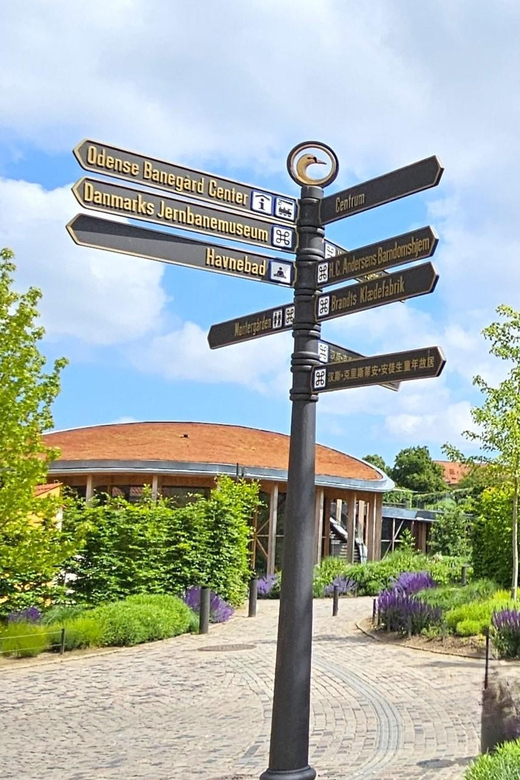
You begin in the older side of Odense and start with Albani Torv for about 30 minutes. This first stretch matters because it sets the baseline: what the center looks like before the city begins “reshaping itself” around modern needs.
I like that this doesn’t start with the newest waterfront project. It starts with the older city so you can see the contrast later when the route moves toward harbor areas and the newest districts.
In this opening segment, expect the guide to frame Odense’s goals in plain language. The big themes are the shift away from an industrial identity and the ambition to build a green city with room for innovation and young residents.
Donkey Republic: mobility and infrastructure, not theory
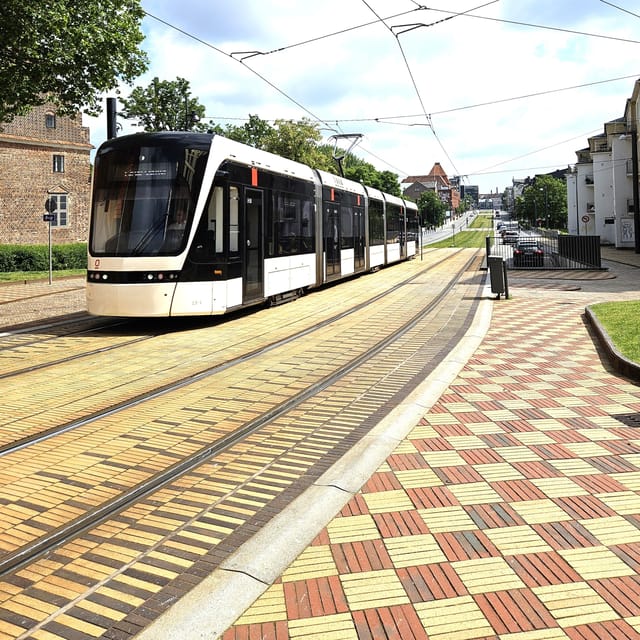
Next comes Donkey Republic, with another 30 minutes on the walking-and-talking rhythm. This stop is a signal that the tour cares about infrastructure you’ll actually use, not just architecture you’ll admire.
You’ll get a conversation about how cities make practical choices. That includes the stuff that affects daily life: how people move around, how space gets allocated, and how planning decisions show up in everyday routines.
This segment also helps you understand something important about “green” planning. It’s not only about trees and bike lanes. It’s also about how a city supports healthier, more efficient living patterns.
Port of Odense: the harbor as the big transformation symbol
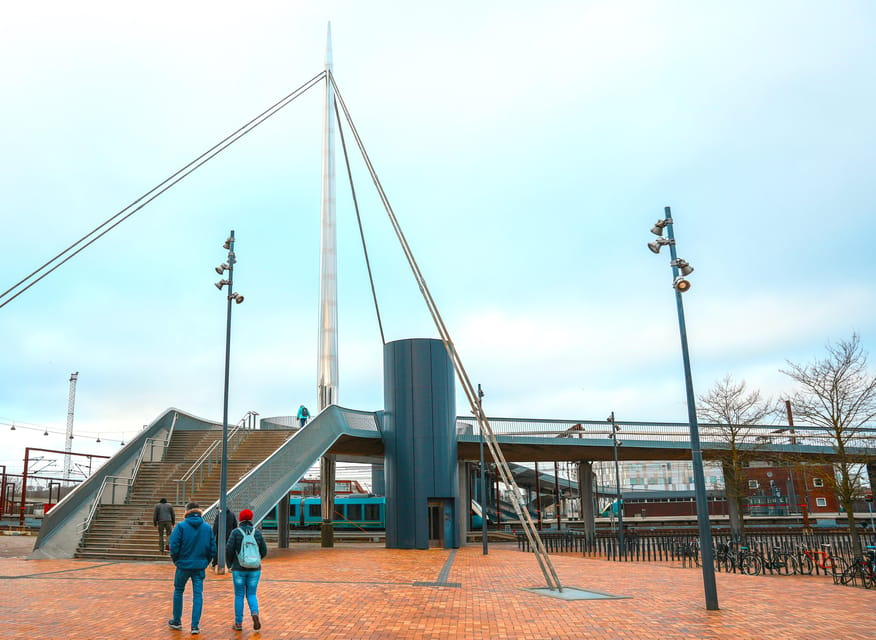
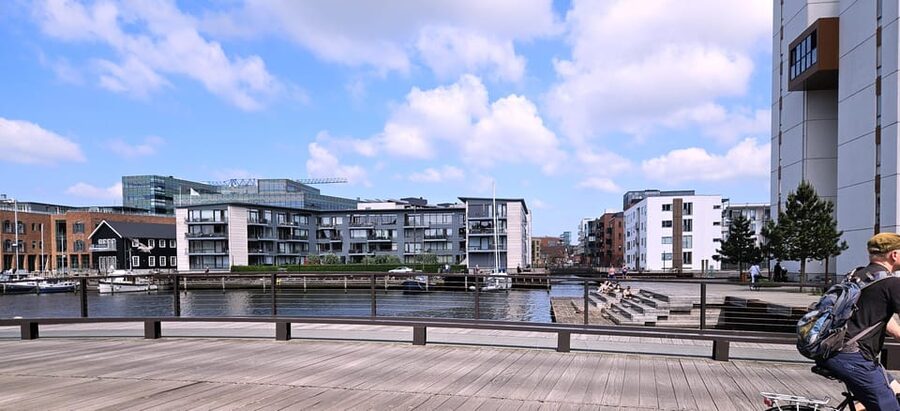
Then the walk reaches the Port of Odense for about 30 minutes. The harbor is a natural storytelling anchor because it’s where industrial-era thinking often shows up, and where modern redevelopment tends to begin.
The guide uses the harbor to explain what Odense is trying to become. You’ll hear about the modernization of the city and how the harbor area connects to the wider plan for innovation and sustainable growth.
This is also where the tour starts feeling more “systems” focused. Expect discussion of the economy, infrastructure, and the reasons behind certain redevelopment choices, not just what changed.
Storms Pakhus and Odense Street Food: where daily life becomes the lesson
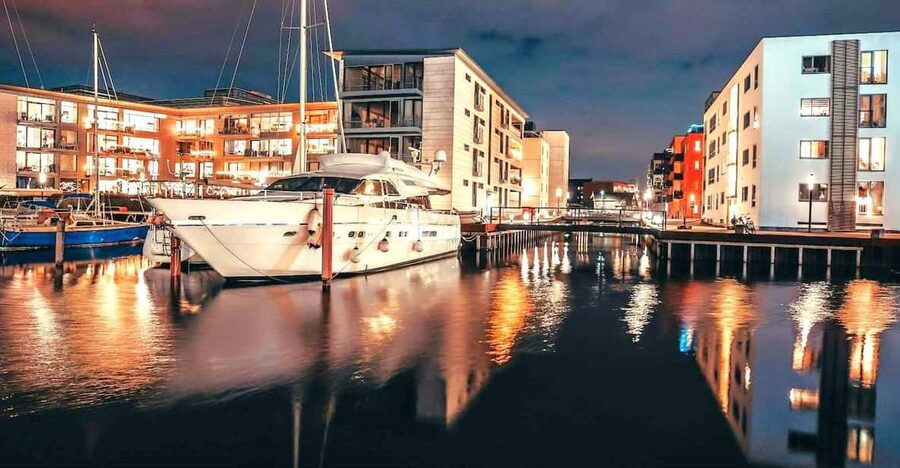
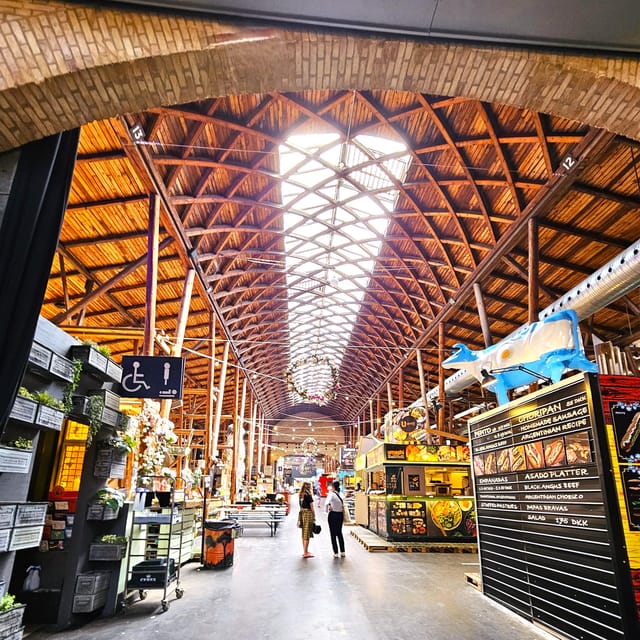
At Storms Pakhus | Odense Street Food, you spend about 15 minutes. This isn’t just a quick look. It’s a shortcut to understanding how people use public space and how the city supports social life.
Food culture is an easy entry point for talking about neighborhoods and everyday rhythm. Even if you’re not eating during the stop, you’ll get the sense of how these areas function in real time.
This portion is also a reminder that urban transformation is not only about where cars used to go or how new buildings rise. It’s also about the public experience, and how the city encourages people to gather, linger, and return.
H.C. Andersen Haven: tying future plans to the city’s identity
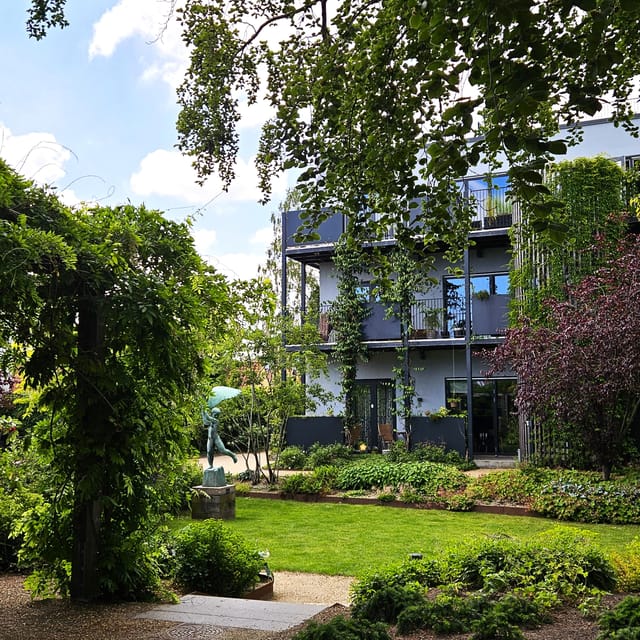
You then reach H.C. Andersen Haven, again for about 15 minutes. The name alone hints that this stop sits in the part of Odense where storytelling, public space, and city identity overlap.
In this segment, the guide connects the physical environment to the lived experience of being in Odense. You’ll hear how the city balances contemporary development with a sense of place, and how public space supports daily life.
This is a shorter stop, but it plays a bigger role than the minutes suggest. It helps bring the “green city and innovation” conversation back down to what it means on the ground.
Walking the round trip: where a six-lane road used to cut through
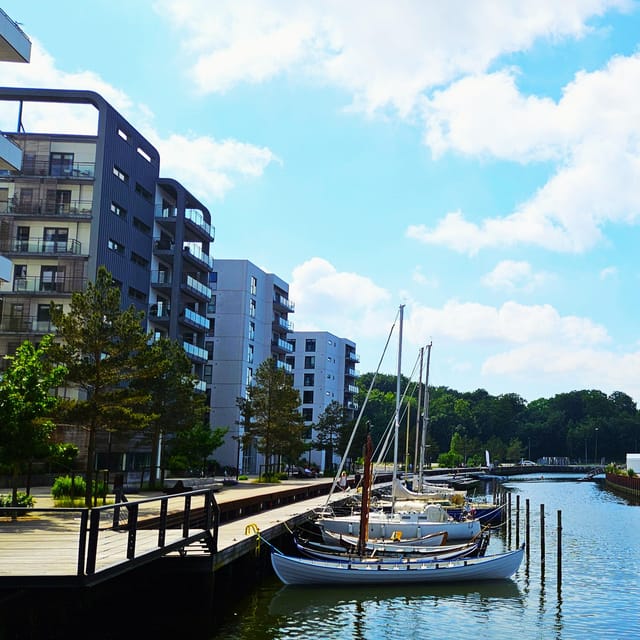
The tour loops back to its starting point and finishes by walking through a completed urban area that used to be dominated by a six-lane main thoroughfare running right through the center.
This is one of the most striking parts of the entire experience. Even without dramatic scenic views, the idea hits hard: a street design decision can reshape the whole feel of a city center.
The guide uses this round trip structure so you can compare the “before” logic to the “now” reality. You start in the older center, head toward the harbor and redevelopment zones, and then come back through a reclaimed, newly organized urban space.
If you care about how cities re-plan car space into walkable neighborhoods, this segment will be your mental highlight.
The guide is the real value: conversation, photos, and local context
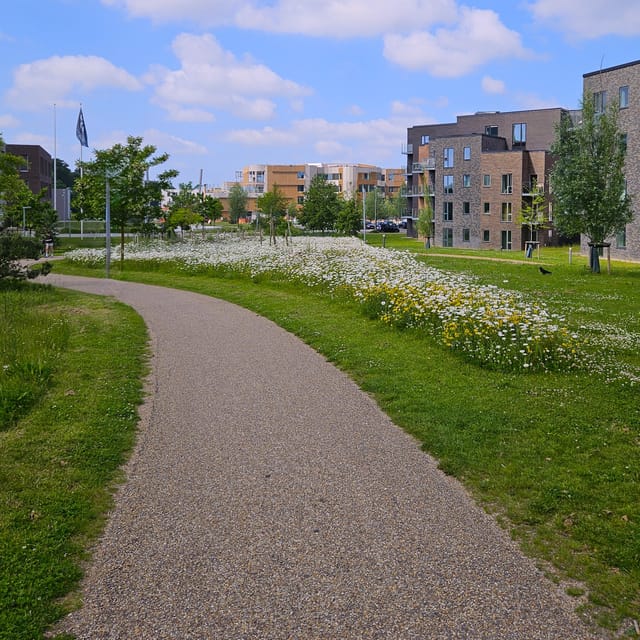
The best praise across bookings is consistent: the guides bring energy and clarity, and they share details that do not show up in standard sightseeing scripts.
You’ll get an engaging local guide who connects dots between urban planning and human life. In multiple experiences, guides have been described as friendly and conversational, with strong German, and a clear ability to explain why Odense’s transformation makes sense.
Another detail worth knowing: the tour includes a photo-supported storytelling style, so you can see change rather than just hear about it. In one booking, there was even time for a side conversation about Greenland lifestyle, which shows the format can flex into broader cultural context if the group is interested.
This is also where the small group format pays off. With fewer people, you’re more likely to get a direct answer to your question instead of watching the guide talk past you.
What you learn about the green city goal, and why it matters
Odense is not presented as a city that simply adopted sustainability branding. The tour frames Odense’s declared aims in a more grounded way: becoming a green city with innovative creativity, while supporting affordable housing for young people in the center.
That housing angle is especially important. Too many “green city” stories stop at bikes and buildings. Here, the guide connects environmental goals to social goals, including who gets to stay and live close to jobs, education, and city services.
The tour also touches the Danish education system. Even if you never thought of education as “urban development,” it changes how a city plans everything around the young. It affects population mix, demand for services, and long-term economic resilience.
You’ll also hear about infrastructure choices and the local economy. The point is not to memorize facts. The point is to understand cause and effect, so when you look at a street or a redevelopment site, you can interpret the logic.
Price and time value: why $31 is fair for this format
At $31 per person, this walk is priced like a small experience with real labor behind it. And that labor shows up in the guide’s explanations, the photo context, and the fact that you’re getting a structured two-hour route rather than a casual chat.
Think of it as a “planning decoder ring” for Odense. If you spend money on museums and still leave the city without understanding how it works, that can feel like paying for scenes without a script.
This tour gives you the script. You walk about 4 km, get stops that cover redevelopment themes from old center to harbor to reclaimed streets, and you ask questions along the way.
If you like learning while walking, it’s a solid deal. If you want only famous sights in the shortest time possible, you might feel like you paid for context you did not ask for.
Who this Odense walk suits best
This is a great choice if you:
- Want a deeper understanding of how Odense is changing, not just photos for your album
- Enjoy discussions about cities, planning, and the trade-offs behind redevelopment
- Prefer small groups where you can ask follow-up questions
- Like guided walks that connect daily life, infrastructure, and economics
It’s less ideal if you:
- Want a classic sightseeing loop focused on major monuments
- Dislike walking 4 km, even at a comfortable pace
- Prefer tours with a mostly passive format, like a bus ride with commentary
Final call: should you book KnowledgeWalks in Odense?
I’d book it if your time in Odense is limited and you want one activity that explains the city’s “why.” This walk is well-shaped for people who like cities as living systems, and the focus on green transformation plus housing for young residents makes it more than a generic history stroll.
If you’re here for stories about how places change and you like walking and asking questions, this is a strong match. If you’re only chasing the big-name sights, you might get more satisfaction by mixing this with a self-guided stroll where you linger on the things that catch your eye.
Either way, you’ll leave with a clearer sense of what Odense is building, and how it intends to keep improving the city center for real people.
FAQ
Where is the meeting point for the Odense city walk?
The meeting point is Overgade 3, 5000 Odense, Denmark. It’s in the pedestrian street or mall area near a small ruin, and the guide will carry a sign that says KnowledgeWalks.
How long is the tour, and how much walking is involved?
The tour lasts 2 hours and includes walking of about 4 km (around 5,500 steps).
What languages is the live guide speaking?
The live tour guide speaks German and English.
How big is the group?
This activity is listed as a small group experience.
What stops are included in the route?
The route includes Albani Torv, Donkey Republic, Port of Odense, Storms Pakhus | Odense Street Food, and H.C. Andersen Haven, then it returns to Overgade 3.
What does the tour focus on?
The tour focuses on urban development and the transformation from an industrial city to a green city with innovative creativity, including discussion of infrastructure, the economy, daily life, and the Danish education system.
Is cancellation allowed, and can I pay later?
You can cancel up to 24 hours in advance for a full refund. You can also reserve now and pay later, so you do not pay immediately at booking.
Jutland & Funen Tours, compared.
 ★ 4.6Billund: WOW PARK Entry TicketFrom $45128 reviews
 ★ 5.03-Hours Street Art Tour in AalborgFrom $4849 reviews
 ★ 4.8Skjern: WOW PARK Entry TicketFrom $3541 reviews
 ★ 4.5Kolding: Koldinghus Palace Entry TicketFrom $2126 reviews
 ★ 4.7From Rømø: One-Way or Roundtrip Passenger Ferry to SyltFrom $1515 reviews
 ★ 4.5Ghosts of Aalborg: The Witch Trial Exploration GameFrom $1011 reviews
 ★ 4.0Aalborg Historical Treasures: A Walking TourFrom $2515 reviews
 ★ 5.0Aalborg: Express Walk with a Local in 60 minutesFrom $933 reviews
Browse the lists this tour appears in