
REVIEW · MUSEUMS
Copenhagen: Danish War Museum Entry Ticket
Long halls, old armor, and a hammock. The Danish War Museum in the historic Tøjhus Arsenal building turns Denmark’s military story into something you can walk through, from early weaponry to today’s drone questions.
I love how the exhibits cover so many centuries in one place, and I also like the big, theatrical space that lets the artifacts breathe, especially the 163-meter first floor hall.
One key consideration: there is currently no elevator to reach the first-floor exhibitions, though you can bring your own wheelchair or baby carriage.
In This Review
- Key things I’d plan for
- Entering the Tøjhus Arsenal building in 1604 Copenhagen
- The 163-meter first floor hall, and why it changes how you see everything
- From 1500s beginnings to today: how the exhibits move through Danish conflicts
- The artifacts that hit hardest: bones, armor, and a surprising Afghanistan story
- WWII, the Cold War, and Denmark’s role in 21st-century conflicts
- Hammock breaks and Danish stories from the seven seas
- The new spot exhibition: drones and the question of fear everywhere
- Practical value: what a $20 ticket gives you in Copenhagen
- Accessibility note you should plan around
- Who should book this Danish War Museum ticket
- Should you book it
- FAQ
- How long is the Danish War Museum visit with this entry ticket?
- What does the ticket include?
- Is there a specific starting time I need to choose?
- What time period and conflicts does the museum cover?
- What are some of the special or unusual items you can see?
- Is there a hammock or rest area during the visit?
- Is the museum accessible by elevator?
- Can I cancel my booking?
Key things I’d plan for
- Tøjhus Arsenal building (built in 1604) gives the museum an authentic setting from the moment you enter
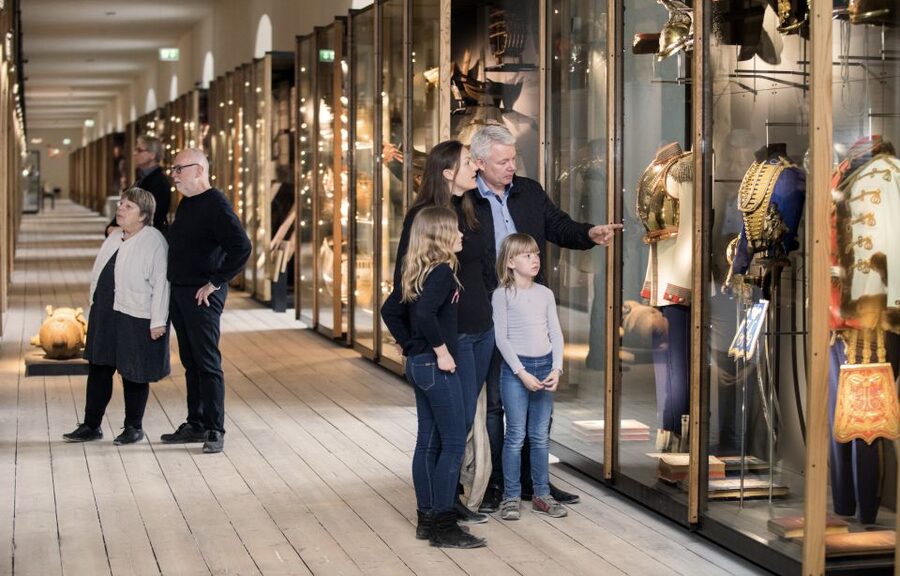
- 163-meter first floor hall, the longest room in the Nordics, makes the layout feel grand and easy to scan
- Armor and weapons across centuries help you see how tactics and gear changed over time
- Unusual centerpiece artifacts, like a ship model made of bones and a Civil War uniform example, keep it memorable
- Hammock storytelling lets you slow down and hear Danish sea stories while you take a break
- New drone spot exhibit tackles modern warfare with real, uncomfortable questions
Entering the Tøjhus Arsenal building in 1604 Copenhagen
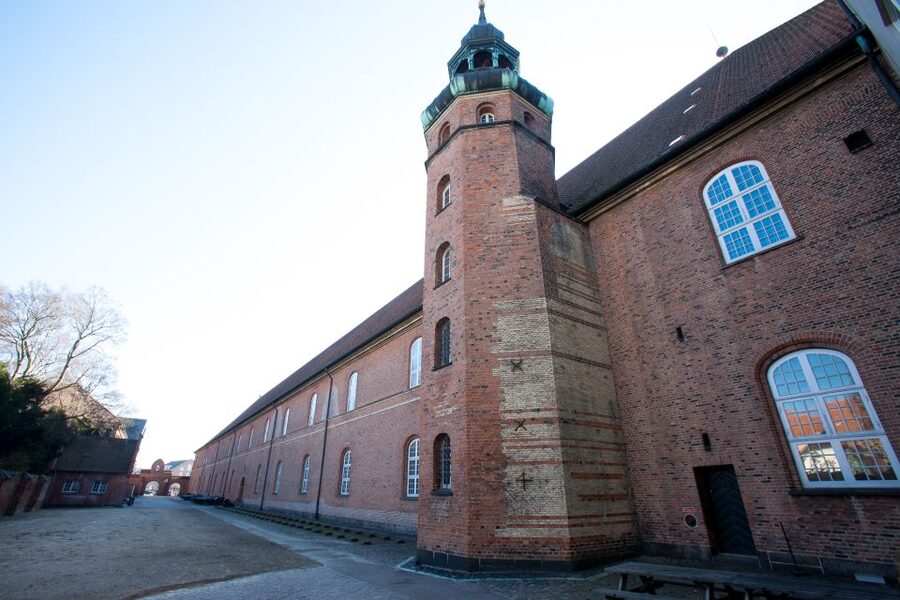
The Danish War Museum sits inside Tøjhus, the Arsenal building built by Christian IV in 1604. That matters more than you’d think. When your museum home is also a former armory, the whole place feels built for storage, inspection, and power, not just display.
You start in a setting that helps you understand the exhibitions. This isn’t only about battles. It’s about how states prepared for them, armed up, and organized control. Even if you know a little Danish history already, the building itself gives you a strong visual anchor.
And yes, you’ll see the expected military equipment, but the atmosphere is what makes it feel practical and grounded. Denmark’s wars are presented in a way that makes you think about logistics, technology, and consequences, not just hero moments.
More of Copenhagen, reviewed one tour at a time
- Copenhagen: Canal Cruise with Guide
★ 4.6 · 9,115 reviews - Copenhagen: Hop-On Hop-Off Bus Tour with Boat Tour Option
★ 3.9 · 4,122 reviews - Private Walking Grand Tour of Copenhagen
★ 5.0 · 3,953 reviews - From Copenhagen: Lund and Malmö 2-Country Tour
★ 4.7 · 2,772 reviews
The 163-meter first floor hall, and why it changes how you see everything
The first floor hall stretches 163 meters, and it’s described as the longest room in the Nordics. In plain terms, that long space changes your experience. Instead of being packed into tight galleries, you can move, regroup, and let your eyes reset between displays.
As you walk, you’ll get a rhythm. Stop, look at armor or weapons, then move along the hall to the next period. That spacing helps a lot when the museum spans from the 1500s to present day. You are less likely to feel overloaded, because you have room to pace yourself.
If you’re planning a one-day visit, I’d use that hall as your backbone. Give yourself time to cross it at least once slowly, then loop back to the items that really catch your eye. In a museum like this, the best payoff comes from returning for a second look, especially around standout artifacts.
From 1500s beginnings to today: how the exhibits move through Danish conflicts
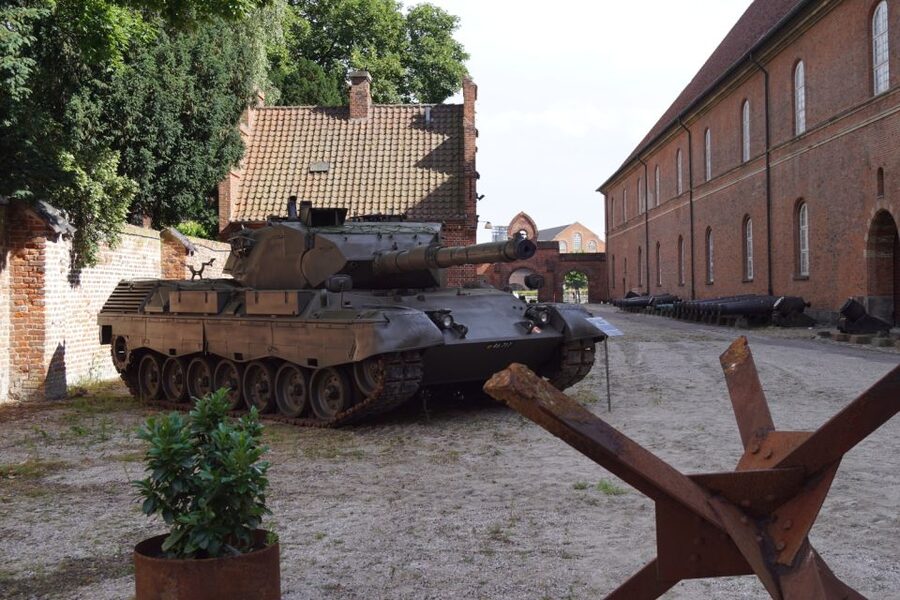
The Danish War Museum covers Denmark’s war story from the 1500s through modern times, including Denmark’s involvement in the War in Afghanistan. That broad sweep is useful because it shows you change over time. You can compare eras and see how the idea of warfare shifted as weapons, training, and geopolitics evolved.
Here’s what I find most helpful about the flow: the museum doesn’t just list wars, it connects them to material culture. When you see older armor up close, it makes the later conflicts feel less like separate lessons and more like a single long arc.
In particular, you’ll run into periods like:
- the 15th-century knight armor, where metalwork and protection get treated like engineering
- the 17th-century wars with the Swedes, where tactics and national defense priorities start feeling more organized
- the 19th-century conflict with the English, which helps you see how European powers and pressures kept reshaping Denmark’s position
Even if some dates blur together when you’re reading quickly, the physical artifacts keep your memory anchored. You don’t just remember that something happened. You remember what the tools looked like.
The artifacts that hit hardest: bones, armor, and a surprising Afghanistan story
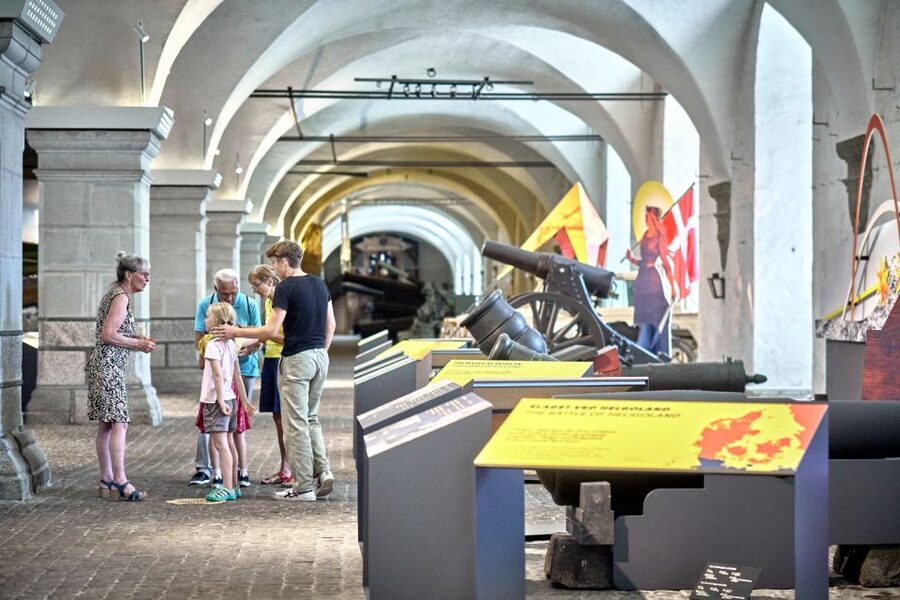
A museum like this can go one of two ways. It can feel either like a textbook, or like a display case. The Danish War Museum does a good job of mixing both, because it includes oddball, eye-catching artifacts alongside major military pieces.
A few examples stand out because they’re not the usual “gun, cannon, uniform” lineup:
- a ship model made of bones
- a 150-year-old Biscuita military car that ran over a roadside bomb in Afghanistan, where everyone survived
- the world’s only complete example of a uniform from the American Civil War
These are the kinds of details that slow you down. The bone ship model pushes you to ask what that piece symbolizes, and why it ended up here. The Afghanistan car story connects modern conflict to real equipment, and it does it in a way that feels concrete rather than abstract.
And the Civil War uniform is a strong “how is this here?” moment. Denmark and the American Civil War are not naturally linked in everyday travel plans. Seeing a complete example like that gives you a jolt of perspective. It hints at how military culture, uniforms, and connections can travel farther than you expect.
Other Danish entry tickets we have checked
- Copenhagen: Home of Carlsberg Experience Entry Ticket★ 4.7 · 1,009 reviews
- Copenhagen: National Museum of Denmark Entry Ticket★ 4.5 · 960 reviews
- Copenhagen: Copenhagen Zoo Entry Ticket★ 4.6 · 708 reviews
- Copenhagen Bus and Boat ticket, Valid 48 Hours★ 4.0 · 565 reviews
- Copenhagen: Rosenborg Castle Entry Ticket★ 4.6 · 381 reviews
WWII, the Cold War, and Denmark’s role in 21st-century conflicts

After the earlier periods, you move into the 20th century, where the museum’s tone shifts. The focus becomes less about individual pieces of armor and more about national systems and political pressure. You’ll find exhibitions that cover World War II and the Cold War, and then you get into Denmark’s role in 21st-century conflicts.
This section is valuable for you if you want context, not just curiosity. When you stand in a timeline that reaches into Afghanistan and modern conflicts, the museum becomes a way to connect current events to older patterns: alliances, security threats, and the constant challenge of preparing for what comes next.
I also like that the museum includes modern warfare in a direct way. It doesn’t freeze the story in the past. It keeps the question alive: how do you defend a country when the battlefield and the rules keep changing?
If you’re only visiting one museum in Copenhagen that tackles military topics in a thoughtful, visual way, this is one of the better options because it covers eras in a way that’s easy to follow.
Hammock breaks and Danish stories from the seven seas
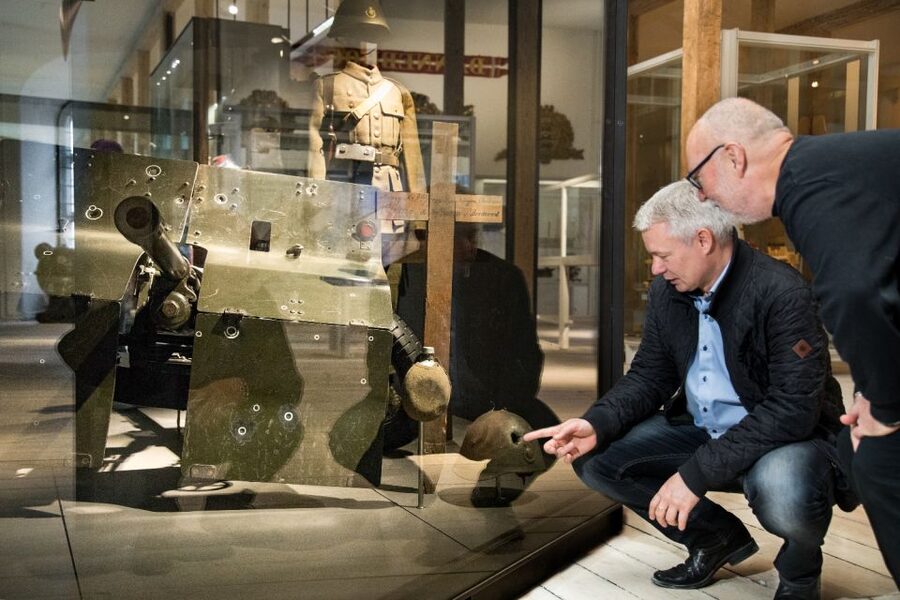
One of the more distinctive parts of the experience is the hammock area, where you can relax and listen to Danish stories from the seven seas. It’s not what you expect from a war museum, and that’s exactly why it works.
The hammock gives you a reset. You’re not just trudging through heavy themes. You get a quiet, hands-down break in the middle of all that armor and weapons talk.
More importantly, it reminds you that military history is not only about battles on land. Maritime stories matter in Denmark, and the museum chooses to reflect that through the atmosphere and storytelling setup. You walk back into the next exhibits feeling less tense and more able to absorb details.
If you want a smooth one-day plan, I’d intentionally schedule this break. Don’t wait until you’re tired. Use it to keep your energy up for the later exhibitions, especially the modern warfare section.
The new spot exhibition: drones and the question of fear everywhere

The museum has launched a spot exhibition that asks: Have drones changed the way we wage war? This is the part that feels most “now,” because the exhibit centers on how unmanned aerial weapons affect modern battlefields.
The themes are straightforward and unsettling. Drones spread fear and terror where they monitor and drop bombs, and the experience points out that cameras and sensors can make people feel watched even when they are not actively fighting.
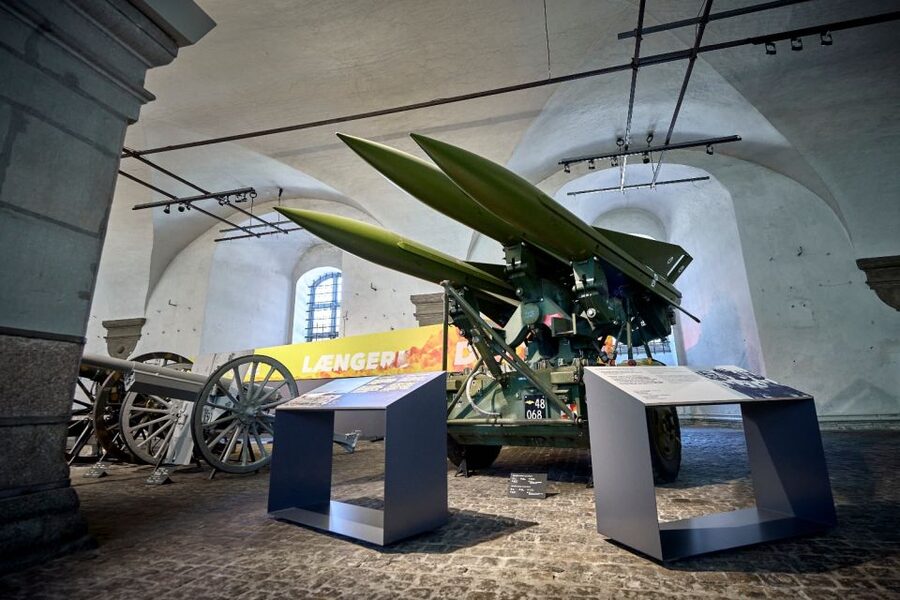
It also pushes you to think about defense. Are defense systems able to stop a drone attack? What happens when drones can operate with speed and reach, and when the monitoring aspect creates constant anxiety?
This spot exhibit is a smart choice for you because it doesn’t only show hardware. It connects the tech to human experience. When you pair that with the earlier sections showing how warfare evolved, the drone exhibit feels like a continuation, not a random add-on.
Practical value: what a $20 ticket gives you in Copenhagen
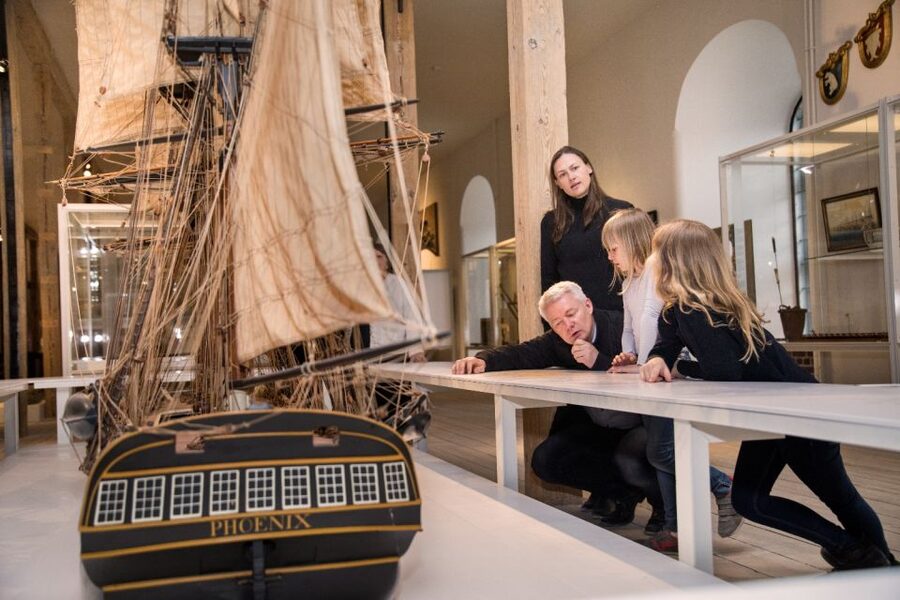
At about $20 per person, this ticket price feels reasonable for a museum that covers a huge time span, includes major artifacts, and adds interactive-style moments like the hammock storytelling and the drone spot exhibit.
What you’re really paying for is time you can spend thinking. Many city museums focus on one era or one theme. Here, you’re getting centuries in one building plus a range of objects, including some that are uniquely described, like the complete Civil War uniform example.
To get good value, I’d plan your visit like this:
- Start with the big hall so you understand the space and the pacing
- Hit the eras you care about most, but don’t skip the “in-between” periods
- Save the drone exhibit for when you’re ready to concentrate, not when you’re rushing
- Use the hammock break to avoid end-of-day museum fatigue
If you’re a museum hopper who wants short stops, you can still manage it. But if you want to actually process what you’re seeing, budget a full day, since the experience is designed to be absorbed at a slower pace across many exhibits.
Accessibility note you should plan around
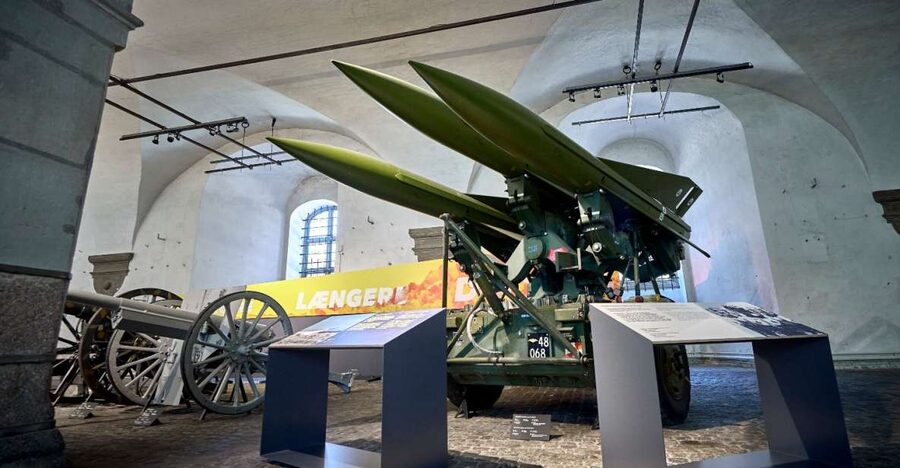
There is currently no elevator to help people reach the first-floor exhibitions. If you have mobility concerns, plan around that in advance.
Good news: it is possible to bring your own wheelchair or baby carriage. So you are not stuck with a one-size-fits-all situation. Just don’t assume the museum floors connect by elevator, because the first-floor access is a real factor in where and how you can spend your time.
Who should book this Danish War Museum ticket
You’ll probably love it if you want:
- a well-paced look at Danish military history from early periods through modern conflicts
- a museum setting in a real Arsenal building, not a generic gallery
- standout artifacts that go beyond the usual weapons display
- a break option like the hammock storytelling
This is also a good choice for curious travelers who like context. If you are trying to understand why Europe looks the way it does today, Denmark’s security story helps you connect the dots.
If you dislike heavier topics, you might still find it worthwhile, because the museum includes storytelling and pacing that helps you regulate your attention. Still, it is a war museum, so expect serious themes to show up again and again.
Should you book it
Yes, I think you should book if you want a one-stop museum in Copenhagen that covers centuries and ends with modern questions about warfare. The combination of the Tøjhus Arsenal setting, the massive 163-meter first-floor hall, and the mix of striking artifacts makes it more than a quick look.
If you have limited mobility, do your homework first about first-floor access since there is no elevator. For everyone else, a one-day ticket here offers strong value for the time you’ll spend, and the hammocks plus drone exhibit keep the experience from becoming one long march through grim displays.
FAQ
How long is the Danish War Museum visit with this entry ticket?
The ticket is valid for 1 day, so you can plan to spend a full day at your own pace.
What does the ticket include?
The activity includes a museum ticket.
Is there a specific starting time I need to choose?
Your ticket is valid for 1 day, and starting times depend on availability.
What time period and conflicts does the museum cover?
The museum covers Danish war history from the 1500s until present day, including the War in Afghanistan, World War II, and the Cold War.
What are some of the special or unusual items you can see?
The museum highlights include a ship model made of bones, a 150-year-old Biscuita military car related to an Afghanistan incident, and the world’s only complete example of a uniform from the American Civil War.
Is there a hammock or rest area during the visit?
Yes. You can relax in a hammock and listen to Danish stories from the seven seas.
Is the museum accessible by elevator?
There is currently no elevator to help people reach the first-floor exhibitions.
Can I cancel my booking?
You can cancel up to 24 hours in advance for a full refund, and reserve now & pay later is offered to keep planning flexible.
Tickets And Entry In Denmark





All Our Denmark Reviews





Copenhagen, Reviewed
Other Danish days out we have written up




Museums, compared.
 ★ 4.5National Museum of Denmark Entry TicketFrom $21960 reviews
 ★ 4.3Amalienborg Palace Museum Entry TicketFrom $19291 reviews
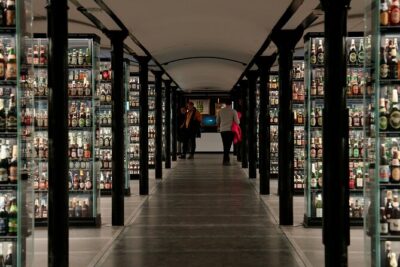 ★ 4.5Exhibition – Home of CarlsbergFrom $36281 reviews
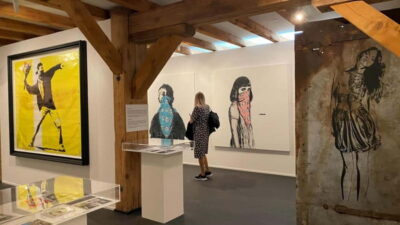 ★ 4.7MACA Art Museum Entry TicketFrom $2477 reviews
 ★ 4.5MACA Museum ‘Banksy & Street Art: The Early Years’ Art ExhibitionFrom $2532 reviews
 ★ 4.0Jewish Walking Tour of Copenhagen and Danish Jewish MuseumFrom $2473 reviews
Browse the lists this tour appears in