
REVIEW · COPENHAGEN ARCHITECTURE TOURS
Copenhagen: Harbor Architecture Private Walking Tour
Copenhagen’s harbor tells stories in buildings. I especially like the mix of Nyhavn’s colorful 17th-century waterfront mood and the way you also get modern design landmarks like Operaen and Cirkelbroen. One tradeoff: this is a walking tour and it is not suitable for wheelchair users or people with mobility impairments.
This private tour lasts 2 hours and runs rain or shine, so it works well as a focused, half-session plan for architecture fans. You start at the Scandic Hotel on Ofelia Plads (right by the harbor), and you finish on Islands Brygge. You’ll learn why Copenhagen is named World Capital of Architecture 2023, not just by name, but through the way each stop shows a different chapter of city design.
Expect a guided route that connects history and current development, with photo chances built in. Along the way, you’ll cover the waterfront feel of Nyhavn, the transformed harbor area of Papiroen, key views around Operaen, and the pedestrian experience of Cirkelbroen, then wrap with a photo stop by the Royal Library and a guided visit at the Danish Architecture Centre.
Key highlights in plain English
- Nyhavn: a classic 17th-century canal and harbor district, with stories tied to artists and writers
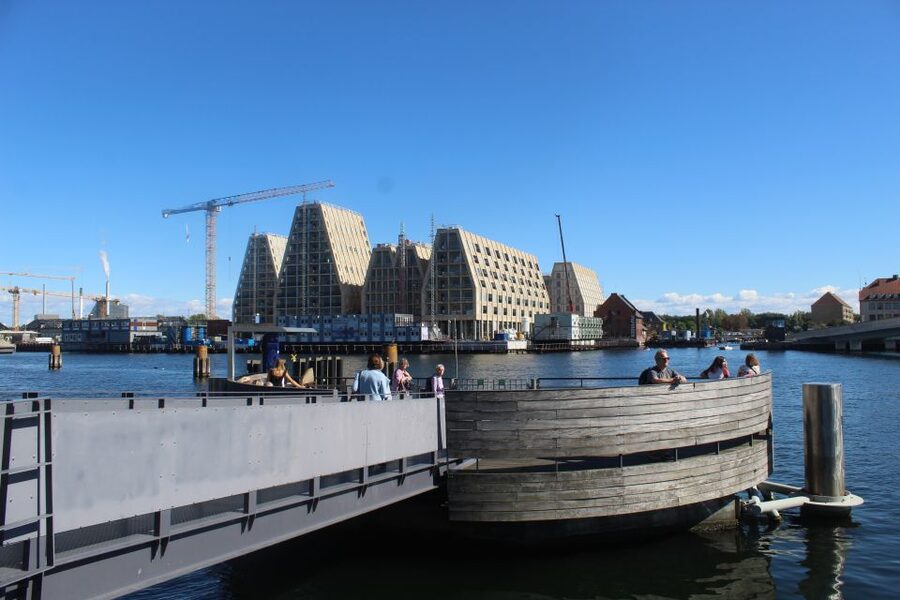
- Papiroen: a paper mill remade into a modern harbor neighborhood while keeping industrial memory
- Operaen: a waterfront cultural landmark completed in 2005, tied to Danish design heritage
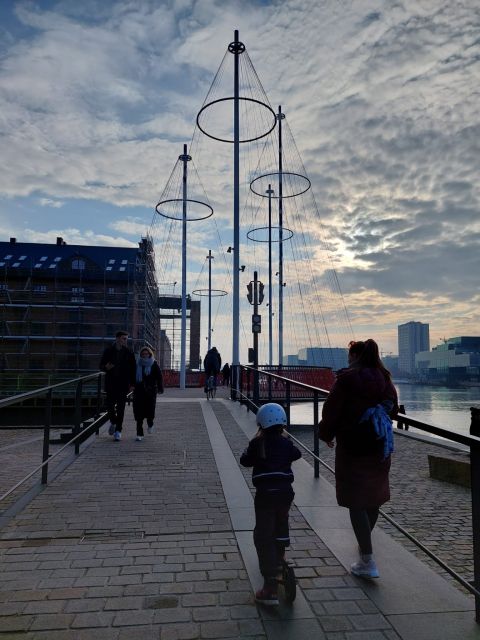
- Cirkelbroen: a pedestrian bridge with an innovative circular concept that connects two sides of the harbor
- Danish Architecture Centre (DAC): a guided stop focused on architecture context, not just sightseeing
- World Capital of Architecture 2023: you’ll understand the claim through real, on-the-ground examples
In This Review
- Copenhagen Harbor Architecture in Two Hours: The Big Picture
- Starting at Ofelia Plads, then Finding the Hook at Nyhavn
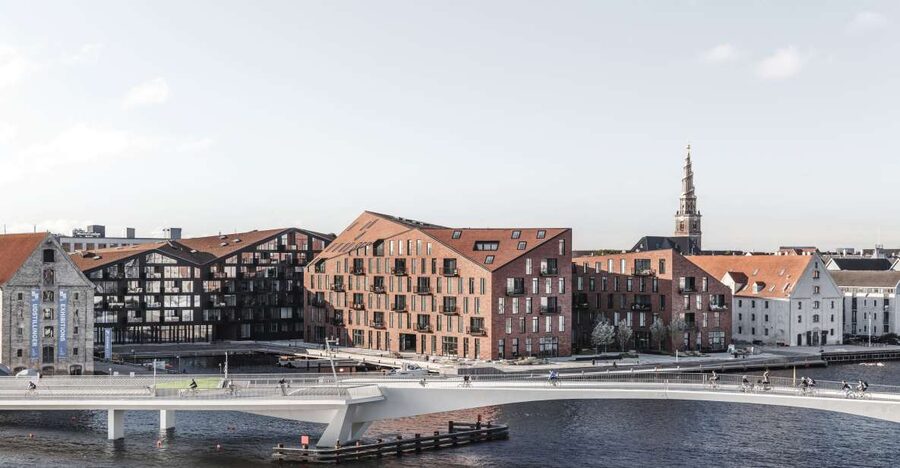
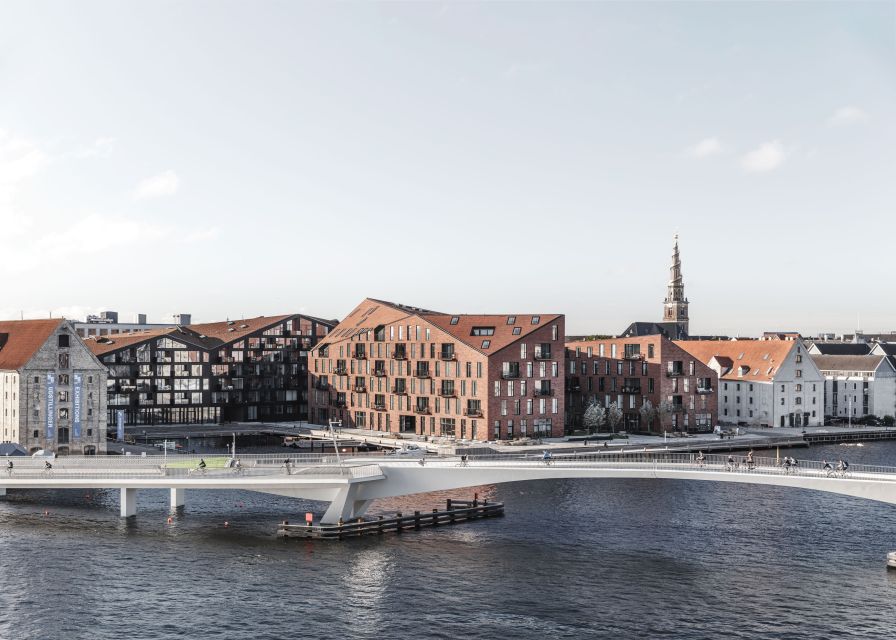
- Krøyers Plads as a Harbor Orientation Point
- Papiroen’s Paper-Mill Past and the New Waterfront Future
- Operaen: A Modern Landmark Completed in 2005
- Cirkelbroen, the Royal Library Photo Stop, and DAC in 15 Minutes
- Why the World Capital of Architecture 2023 Theme Makes This Tour Click
- Private Group Value: Is $394 Worth It for Up to 2 People?
- What to Bring, and How to Prepare for a Rain-or-Shine Harbor Walk
- Who This Tour Is Best For (and Who Might Skip It)
- Should You Book This Copenhagen Harbor Architecture Tour?
- FAQ
- How long is the Copenhagen Harbor Architecture Private Walking Tour?
- Where does the tour start?
- Where does the tour end?
- What’s included in the price?
- Are food and drinks included?
- What language is the tour guide?
- Is the tour canceled if it rains?
Copenhagen Harbor Architecture in Two Hours: The Big Picture
If you only have a small slice of time, a harbor architecture walk like this is a smart way to see the city’s “why” instead of only the “what.” Copenhagen puts design on display along the water, and this tour uses that as the thread. You get older waterfront charm, then you shift to newer projects that show how the city keeps evolving.
The private format matters too. With a group size capped at your party (priced per group up to 2), you can spend less time trying to keep pace and more time asking your guide what you’re actually looking at. And since the guide covers both history and new construction, you leave with a clearer sense of how Copenhagen thinks about place, not just buildings.
One practical note: because it is a walking tour, you’ll want comfortable shoes and you should bring water. The route is paced for a relaxed stroll, but it still means you are outdoors for the full 2 hours.
Starting at Ofelia Plads, then Finding the Hook at Nyhavn
The tour begins at Ofelia Plads, in front of the Scandic Hotel, near the lively harbor edge. This is a good start because it puts you right where Copenhagen’s waterfront planning shows itself, before you dive into any single famous street or landmark.
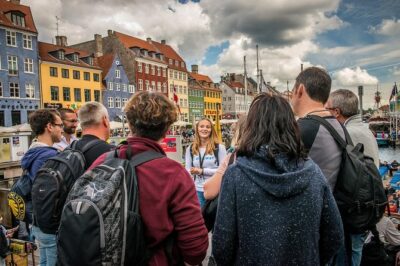
From there, the route lands at Nyhavn, the 17th-century waterfront district with colorful buildings and a restaurant-and-canal vibe. This stop is more than a postcard. Your guide connects the architecture to the area’s origins as a bustling port, and you’ll hear stories about the famous artists and writers who once called Nyhavn home. That adds meaning to the facades, because you’re not only noticing shapes and color, you’re learning why those spaces mattered.
I like this pairing because it gives you two kinds of context in a short time:
- A sense of how the harbor worked historically as a point of arrival
- A sense of how people have used the same waterfront spaces to create culture over time
If you’re the type who likes architecture but also cares about human stories, Nyhavn is a strong anchor for the whole tour.
More of Copenhagen, reviewed one tour at a time
- Copenhagen: Canal Cruise with Guide
★ 4.6 · 9,115 reviews - Copenhagen: Hop-On Hop-Off Bus Tour with Boat Tour Option
★ 3.9 · 4,122 reviews - Private Walking Grand Tour of Copenhagen
★ 5.0 · 3,953 reviews - From Copenhagen: Lund and Malmö 2-Country Tour
★ 4.7 · 2,772 reviews
Krøyers Plads as a Harbor Orientation Point
After Nyhavn, you’ll pass through Krøyers Plads for a short guided segment. Even with limited time here, stops like this are useful. They help you reset your bearings and see how the harbor changes as you move from older districts toward newer designs.
Because you’re with a guide, the value is in what you learn while you’re looking. You’ll get architectural cues for the transition zone, the places where Copenhagen’s waterfront shifts from historic character to modern development. Think of Krøyers Plads as a quick “reader’s guide” for what comes next.
One drawback to keep in mind: short stops can feel fast if you want to linger on your own. The tour is time-boxed by design, so if you want extra time for photos at this exact spot, plan to do it during the built-in photo moments later in the walk.
Papiroen’s Paper-Mill Past and the New Waterfront Future
Next comes Papiroen, which your guide frames as a true transformation story. This was once a paper mill, and it has been transformed into a harbor neighborhood with a different purpose now, but without erasing the industrial roots.
What I like about this stop is the balance: you’re not just seeing “new buildings.” You’re seeing how development can preserve memory. Your guide points out the market buildings and shares the development logic behind the area, including the effort to keep industrial heritage while creating a modern urban space.
If you’re trying to understand why Copenhagen is World Capital of Architecture 2023, this is one of the best examples in the route. It shows a city design approach that treats history as material, not decoration.
Tip for getting more out of this segment: pause long enough to look across the harbor and watch how the buildings relate to water views. The best architecture photos happen when you include context, not just angles.
Operaen: A Modern Landmark Completed in 2005
The tour includes time for Operaen, Copenhagen’s waterfront opera house, described as a modern building completed in 2005. This stop works well because Operaen has a distinctive design, and your guide connects it to the surrounding harbor setting and Denmark’s cultural heritage.
In other words, you’re not only learning what the building looks like. You’re learning why it was designed for this exact edge of the city. Waterfront architecture is its own category, and Copenhagen treats it as a public stage. That’s the vibe you should look for: a cultural building that feels tied to movement, views, and the harbor’s geography.
One consideration: because this is outdoors and photo-friendly, you might find it easier to get good shots at certain moments depending on light and weather. If the sky is bright, take at least one photo from your guide’s suggested angle, then do a quick second round from a slightly different position so you get both the building and the water context.
More Copenhagen buildings, harbourfront and new
- Copenhagen: Danish Architecture Center Entrance Ticket★ 4.4 · 169 reviews
- Copenhagen: Guided Architecture and Sustainability Tour★ 4.8 · 73 reviews
- Copenhagen Architecture and Sustainability Tour with local Guide★ 5.0 · 39 reviews
- Urban Design and Livability E-bike Tour★ 4.8 · 4 reviews
Cirkelbroen, the Royal Library Photo Stop, and DAC in 15 Minutes
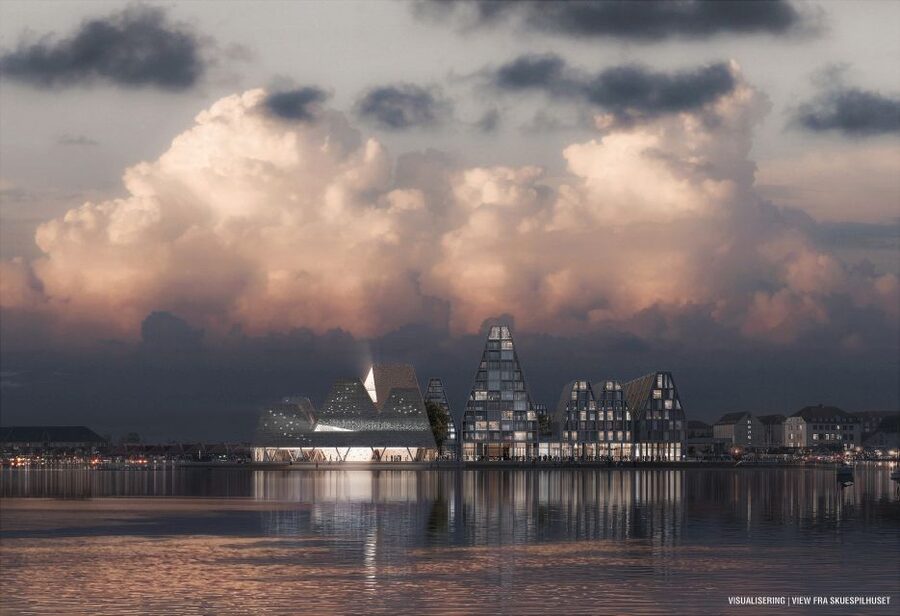
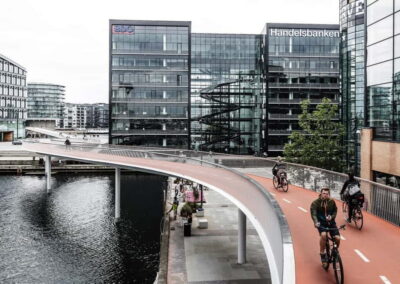
Your next architectural “wow” moment is Cirkelbroen. This is a pedestrian bridge with an innovative design inspired by the circles of life. It is both functional and designed to feel like part of the city’s creative identity, connecting sides of the harbor in a way that’s meant to be experienced by foot.
I like Cirkelbroen because bridges often get treated as just routes. Here, it’s the point. When you walk onto a bridge like this, you naturally slow down and look. That’s when architecture learning clicks, because your movement becomes part of the experience.
After Cirkelbroen, you’ll have a photo stop near the Royal Library of Denmark. This is clearly set aside as camera time, so you can focus on getting the shot without rushing. Since it’s a photo pause rather than a long discussion, keep your expectations realistic: the value here is visual documentation and a quick guided cue, not a deep interior tour.
Finally, you visit the Danish Architecture Centre (DAC) for a guided segment. This is the anchor that turns street-level viewing into architecture understanding. Even in a shorter stop, a place like DAC helps you connect what you’ve seen along the harbor to broader design themes. If you want your photos to come with meaning, this is where you pull it together.
Small reality check: 15 minutes at DAC can’t replace a full museum visit. But paired with the harbor walk, it becomes a useful “explain it back to me” moment.
Why the World Capital of Architecture 2023 Theme Makes This Tour Click
Copenhagen being named World Capital of Architecture 2023 can sound like a marketing line. The tour helps you test it in real space.
You can see that theme in the route itself:
- Nyhavn shows how heritage districts stay social and useful, not frozen in time
- Papiroen shows adaptive reuse, where former industry becomes a new kind of neighborhood
- Operaen shows modern cultural architecture integrated into the harbor experience
- Cirkelbroen shows how infrastructure can be designed as a walking experience, not just a connection
So instead of collecting landmarks, you start collecting patterns. You’ll finish with a sense of how Copenhagen builds continuity between old and new, and how public-facing design is treated as part of daily life.
That pattern recognition is what makes this type of tour worth paying for, especially if you’re picky about spending time well.
Private Group Value: Is $394 Worth It for Up to 2 People?
This tour costs $394 per group up to 2 and lasts 2 hours. So the price is really about buying time with a guide in a tight format.
If you have two people, the cost per person is much easier to justify than if you’d be traveling solo. Private access matters here because you’re not just learning facts. You’re getting tailored pacing, guided photo stops, and enough time at each location to connect architecture to context without rushing through everything on your own.
What you should factor in:
- Included: a guide and the walking tour
- Not included: food and drinks, plus no hotel pickup or drop-off
- Weather: rain or shine
So think of this as a planning tool. If you’d otherwise wander the harbor without a guide, you might miss the “why” behind the design choices. For architecture-focused travelers, that missing context is usually what you end up wanting once you get home and start explaining it to friends.
What to Bring, and How to Prepare for a Rain-or-Shine Harbor Walk

Because this tour runs rain or shine, your comfort matters. The tour asks for two simple basics: water and comfortable clothes.
Here’s how to translate that into practical prep:
- Wear shoes you can walk in for 2 hours without thinking about it
- Bring a water bottle, since you’re outside the whole time
- Dress in layers, because Copenhagen weather can shift quickly
- If you care about photos, consider bringing a small rain cover or umbrella that won’t annoy the group
Also keep in mind it is not suitable for wheelchairs. The route is a walking experience, so if mobility is limited, you’ll want to choose an alternative format or a different tour type.
Who This Tour Is Best For (and Who Might Skip It)
This tour is best for you if you want architecture with context and you like the idea of seeing the harbor as one connected design system. It is also a great match if you enjoy historic districts like Nyhavn but want modern Copenhagen too, without switching plans.
You’ll likely enjoy it more if:
- You like walking tours and can handle 2 hours outdoors
- Architecture is a real interest for you, not just a casual photo hobby
- You want an efficient route that covers several major harbor design stops in one sitting
You might skip it if:
- You need an accessible route for mobility needs
- You prefer a slower pace with lots of independent wandering and long stops
- You don’t care about architecture context and just want free time at the water
Should You Book This Copenhagen Harbor Architecture Tour?
I think this is a strong booking when you want a concentrated architecture experience and you like the idea of learning what you’re seeing while you walk. The price makes sense most clearly for a small private party because you get 2 hours of guide-led pacing, photo stops, and a route that ties together Nyhavn, Papiroen, Operaen, Cirkelbroen, and the Danish Architecture Centre.
If you’re the kind of traveler who wants your Copenhagen photos to come with explanations, this tour is one of the cleanest ways to get that. If you’re unsure, pick the biggest deciding factor: do you want architecture context, or do you just want waterfront views on your own? If you want context, book it.
FAQ
How long is the Copenhagen Harbor Architecture Private Walking Tour?
It lasts 2 hours.
Where does the tour start?
You meet in front of the Scandic Hotel, right on Ofelia Plads. The starting location listed is Sankt Annæ Pl. 21.
Where does the tour end?
The tour finishes at Islands Brygge 4, 2300 København, Denmark.
What’s included in the price?
The tour includes a guide and the walking tour.
Are food and drinks included?
No. Food and drinks are not included.
What language is the tour guide?
The live tour guide is available in English and Spanish.
Is the tour canceled if it rains?
No. The tour takes place rain or shine.
If you tell me your travel month and whether you’ll have 1 or 2 people, I can help you sanity-check timing for the best light for photos around Nyhavn, Operaen, and Cirkelbroen.
All Our Denmark Reviews



Copenhagen Architecture, A Few More Routes




Copenhagen, Reviewed
Other Danish days out we have written up



Copenhagen Architecture Tours, compared.
 ★ 4.4Danish Architecture Center Entrance TicketFrom $19169 reviews
 ★ 4.8Guided Architecture and Sustainability TourFrom $7073 reviews
 ★ 5.0Copenhagen Architecture and Sustainability Tour with local GuideFrom $7239 reviews
 ★ 4.8Urban Design and Livability E-bike TourFrom $844 reviews
Browse the lists this tour appears in